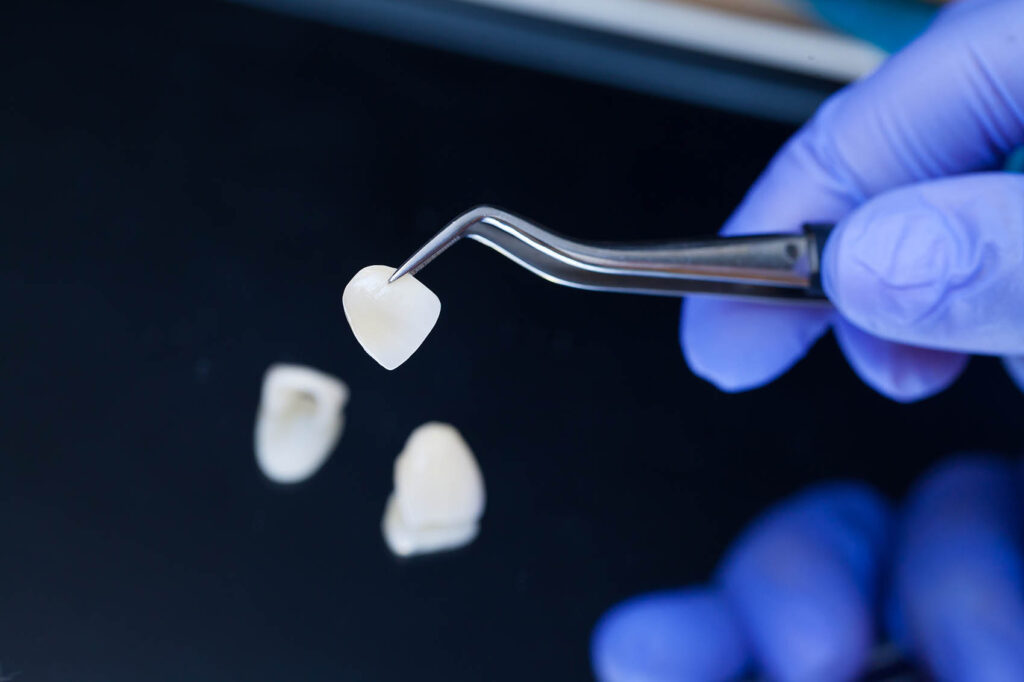
A temporary crown may look and feel surprisingly close to your natural tooth, but it needs a little extra consideration while it is in place. Knowing how to care for a temporary crown can help protect the prepared tooth beneath, keep your bite comfortable and support a calm, smooth path towards your final restoration.
Temporary crowns are designed to be short-term protectors. They are usually fitted after a tooth has been shaped for a permanent crown, giving the tooth protection from temperature changes, pressure and sensitivity while your custom crown is being made. The temporary material and cement are intentionally less strong than the final restoration, so gentle habits make a real difference.
The first few hours matter
Your temporary crown is normally placed with temporary cement. This allows your dentist to remove it safely at your next visit, but it also means the crown can be dislodged by the wrong foods or by forceful cleaning.
Avoid eating until any local anaesthetic has completely worn off. When your mouth is numb, it is easier to bite your cheek, tongue or lip without realising. Once sensation returns, choose something soft and avoid chewing directly on the temporary crown for the rest of the day if possible.
A little sensitivity to cold, heat or pressure can occur after a tooth has been prepared. This should be manageable and settle rather than intensify. Your tooth has been through a clinical procedure, so giving it a gentler rhythm for a few days is a simple way to support comfort.
What to eat with a temporary crown
You do not need to live on soup while you have a temporary crown, but you do need to be mindful about what touches it. The main concern is food that is very sticky, hard or chewy, as it may pull at the crown or place excess pressure on the temporary cement.
Try to chew on the other side of your mouth where practical. Softer meals such as eggs, fish, rice dishes, cooked vegetables, yoghurt, pasta and smoothies are often comfortable choices, especially in the first few days. Cut firmer foods into small pieces rather than biting straight into them with the crowned tooth.
It is wise to avoid toffee, caramel, chewing gum, chewy lollies and very sticky snack bars. Hard foods such as ice, nuts, popcorn kernels, crusty bread, hard boiled sweets and brittle can also cause trouble. If you enjoy fresh fruit or raw vegetables, slice apples, carrots and similar foods rather than biting into them whole.
This is not about being restrictive. It is about protecting a short-term restoration so your permanent crown can be fitted as planned, with as little disruption to your routine as possible.
How to brush and floss around a temporary crown
Good oral hygiene remains essential. Plaque can still build up around the gumline and the edge of the temporary crown, and healthy gums help create the best foundation for your final restoration.
Brush twice daily with a soft toothbrush and gentle pressure. Angle the bristles towards the gumline and clean carefully around the temporary crown without scrubbing aggressively. If the area feels tender, take your time rather than avoiding it altogether. Keeping the gumline clean can reduce inflammation and help you feel fresher and more comfortable.
Flossing needs one small but important adjustment. Slide the floss gently between the teeth, then pull it out through the side rather than lifting it back up. Pulling floss upwards may catch beneath the temporary crown and loosen it. If your dentist has given you a specific cleaning recommendation, follow that advice, as the best approach can depend on the tooth and the type of temporary restoration.
An alcohol-free mouth rinse may feel soothing if your gums are irritated, but it does not replace brushing and gentle interdental cleaning. Aim for consistency rather than perfection. A calm, thorough routine is kinder to your mouth than over-cleaning an already sensitive area.
Be mindful of pressure and habits
Temporary crowns are more vulnerable to forces that may not seem significant at the time. If you clench or grind your teeth, particularly during sleep, let your dentist know. A protective mouthguard may be appropriate, depending on your treatment stage and the condition of your temporary crown.
Try not to use your teeth as tools to open packaging, hold pins or tear tags. Avoid biting your nails and chewing pens, as these habits can concentrate pressure on one small area of the crown. If your bite feels uneven – perhaps the temporary crown feels higher than the surrounding teeth or meets first when you close – contact your dentist. A simple adjustment can prevent soreness in the tooth, jaw muscles or surrounding tissues.
You may also notice that the temporary crown feels slightly different from your natural tooth. Its shape is designed to protect the prepared tooth and maintain space for your final crown, rather than being the finished aesthetic result. It should not, however, feel sharp, painful or unstable.
What to do if your temporary crown comes loose
A loose temporary crown is not always an emergency, but it should be addressed promptly. The exposed tooth can become sensitive and may be more susceptible to damage, while neighbouring teeth can shift slightly if the crown is left off for too long.
If the crown comes away, keep it in a clean container and contact your dental clinic as soon as you can. Do not throw it away – in many cases, it can be re-cemented. Avoid chewing on that side until you have received advice.
Please do not use household glue or any non-dental adhesive to put the crown back. These products are not intended for use in the mouth and can make the tooth harder to clean or the crown harder for your dentist to refit safely. Your dental team can advise whether you need an urgent appointment and how to protect the tooth in the meantime.
If the crown is intact and you have been instructed to use a pharmacy temporary dental cement, follow the product directions carefully. This is a short-term measure only, not a replacement for professional care.
When to call your dentist sooner
Some sensitivity is expected, especially when the tooth has been deeply prepared or was already compromised before treatment. Severe, persistent or worsening symptoms deserve attention. Contact your dentist if you notice any of the following:
- A temporary crown that is loose, cracked, broken or has fallen out
- Pain that is strong, throbbing, worsening or keeping you awake
- Swelling of the gum, face or jaw, or a bad taste that does not settle
- A bite that feels high, uneven or painful when you close your teeth
If you have facial swelling, difficulty swallowing or breathing, or feel generally unwell alongside dental pain, seek urgent medical or dental assistance.
Keep your final crown appointment
A temporary crown is not designed to last indefinitely. Even when it feels secure, the temporary cement can gradually weaken and the material can wear or fracture. Your final crown is created to fit your bite, support the tooth and blend with your smile more precisely.
Keeping your fitting appointment helps your dentist check that the final crown sits comfortably at the gumline, that your bite is balanced and that the restoration supports your long-term oral health. If you need to reschedule, try to choose the earliest suitable time rather than extending the temporary phase unnecessarily.
At Dental + Skin Clinic, we understand that a crown treatment can bring up questions about comfort, materials and how your dental care fits into your wider wellbeing. Your care should feel personalised, informed and unhurried – from your temporary crown through to your completed smile.
Treat your temporary crown as a protective pause: eat thoughtfully, clean gently and listen to changes in your body. A quick call when something feels different can often prevent a small concern from becoming a larger interruption to your comfort and confidence.