A smile can show a little more gum than you would like for many reasons, and it can affect how freely you laugh in photos, at work or around the people closest to you. If you have been searching for “how to fix gummy smile”, the reassuring answer is that there is no single right treatment. The most natural-looking result begins with understanding why your gums are showing, then choosing care that feels right for your smile, health and comfort.
A gummy smile is not a health problem in itself, nor does it mean anything is wrong with your teeth. It simply describes a smile that reveals a larger amount of upper gum tissue, often more than three to four millimetres. For some people, it is part of their character and they would not change a thing. For others, creating a little more balance between the lips, gums and teeth can bring a welcome sense of confidence.
Why does a gummy smile happen?
Your smile is a relationship between your teeth, gum line, lips and jaw. That means the visible gum tissue may have more than one cause, and an experienced assessment matters before any treatment is considered.
Sometimes the teeth appear short because they are partly covered by excess gum tissue. This can occur naturally, or after gums have become enlarged through inflammation, certain medicines or hormonal changes. In other cases, the upper lip lifts higher than average when you smile, revealing more of the gum line even though the teeth and gums themselves are healthy.
The position of the upper jaw can also play a role. If the upper jaw sits further down, more gum may be visible at rest and when smiling. Tooth wear is another consideration. When teeth have worn down over time, they can look shorter and the gum-to-tooth proportion can change.
These differences can overlap. A high-moving lip and slightly short-looking teeth, for example, may both contribute to the appearance. This is why a quick glance in the mirror cannot determine the best solution.
How to fix a gummy smile: start with a personalised assessment
The best treatment is guided by careful planning, not a standard cosmetic formula. Your dentist will look at your teeth, bite, gum health, facial proportions and lip movement, as well as how your smile looks when your face is relaxed and in full expression. Photos, digital planning and, where needed, X-rays can help make the recommendation more precise.
Just as importantly, the conversation should make room for your goals. You may want a subtle softening of the gum display rather than a dramatic change. You may be seeking a smile makeover, or you may simply wish to feel less self-conscious during family photos. Your preferences, medical history, budget and comfort with different procedures all matter.
For patients who value a more wellness-led approach, it is also reasonable to ask about treatment materials, pain management and the least invasive suitable option. A thoughtful plan should support the health of your gums and bite, not chase a cosmetic ideal at their expense.
Treatment options for a gummy smile
Gum contouring or crown lengthening
When excess gum tissue is covering healthy tooth structure, gum contouring can gently reshape the gum line to reveal more of each tooth. This may be performed with modern soft-tissue techniques and local anaesthetic. The result can make teeth appear more proportional without changing the teeth themselves.
For some smiles, a more involved procedure called crown lengthening is needed. This adjusts the gum tissue and sometimes the supporting bone around the teeth to create a stable, healthy new gum line. Healing takes longer than simple contouring, so it is usually planned carefully before veneers or crowns are considered.
Gum reshaping is not suitable just because someone wants longer teeth. The amount of gum tissue and bone available, the health of the gums and the position of the tooth roots must all be respected. Removing too much tissue can compromise both appearance and long-term health.
Anti-wrinkle injections for a high lip
If the upper lip rises strongly when you smile, carefully placed anti-wrinkle injections may reduce the pull of the muscles that lift the lip. This can lower gum exposure while preserving a natural smile movement.
The effect is temporary, usually lasting several months, so it can suit someone who wants to trial a change before considering a longer-term option. It also needs a light hand. Too much relaxation may alter the expression of the smile, which is why facial assessment and an experienced clinician are essential.
Orthodontic treatment
Braces or clear aligners may help when tooth position, bite or the vertical relationship of the teeth is contributing to the gum display. Orthodontics can move teeth gradually into a more balanced position, and it may be combined with gum contouring or restorative treatment after alignment is complete.
This approach requires patience. Treatment commonly takes months rather than weeks, but it can offer a conservative way to improve both function and appearance when tooth position is part of the picture.
Veneers or crowns
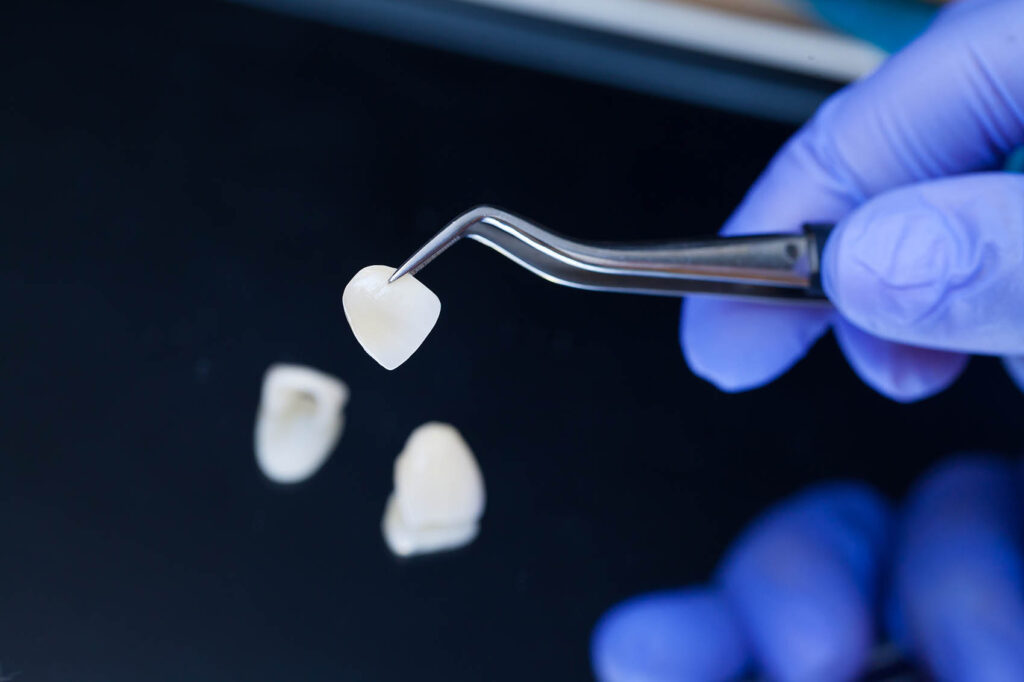
Porcelain veneers or crowns can improve the shape, length and colour of teeth, particularly where teeth are worn, chipped or naturally small. They are often considered after the gum line has been planned, as the proportions of the teeth and gums should work together.
These restorations are not a shortcut for an underlying gum or bite issue. Veneers usually require some preparation of natural tooth structure, while crowns are more extensive. They can be beautiful and durable choices in the right circumstances, yet should be selected only when they add genuine value to your oral health and smile design.
Lip repositioning or jaw surgery
For selected cases, surgical treatments may be discussed. Lip repositioning limits how far the upper lip moves when smiling, while orthognathic surgery changes the position of the upper jaw where skeletal proportions are the primary cause.
These options are more involved and require detailed consultation with appropriate dental and surgical professionals. They may offer lasting changes, but they also involve recovery time, cost and surgical considerations that should be weighed calmly and carefully.
Healthy gums come before cosmetic change
Bleeding, tenderness, puffiness or persistent bad breath can signal gum inflammation. If gum tissue is swollen, it may make the smile look gummier while also requiring care in its own right. A professional clean, personalised home-care guidance and treatment for gum disease where needed may improve both comfort and appearance.
Gentle daily brushing with a soft toothbrush, cleaning between the teeth and regular dental reviews are the foundations of a stable gum line. Your clinician can help you choose products that align with your preferences, including options for sensitive mouths or those wishing to take a lower-tox approach. The aim is not simply a prettier gum line, but a healthy one that supports your teeth for years to come.
What should you expect from treatment?
The timeline depends entirely on the cause. Anti-wrinkle injections may take effect within days, while gum procedures need a period of healing before the final appearance settles. Orthodontic treatment and restorative smile design require more time, but the planning stage helps ensure that the result feels harmonious rather than overdone.
Temporary sensitivity can occur after gum contouring or restorative work. With any procedure, ask about recovery, aftercare, expected longevity, future maintenance and what happens if you do not proceed. A caring dentist will welcome these questions and explain the trade-offs in clear language.
At Dental + Skin Clinic, gummy smile treatment is approached as part of the wider picture: the health of your mouth, the balance of your features and the confidence you want to carry into everyday life. A calm, personalised consultation can turn a concern you have quietly lived with into a clear set of choices, allowing you to move forward only when the plan feels genuinely right for you.