A smile makeover should never feel like a production line. The right cosmetic dentist Melbourne patients choose will look beyond a single concern such as staining, chips or uneven teeth, and consider how your smile feels, functions and supports your confidence in everyday life. For many people, that also means choosing care that respects their preferences around comfort, materials and whole-body wellbeing.
Cosmetic dentistry can be wonderfully transformative, but the best result is rarely about making every tooth the brightest possible white. It is about creating a smile that looks natural on your face, feels comfortable in your bite and is designed with your long-term oral health in mind.
A cosmetic dentist Melbourne patients can feel good about choosing
Melbourne has no shortage of cosmetic dental options, so it helps to know what thoughtful care looks like. A worthwhile consultation should feel unhurried and personal. Your dentist should ask what you would like to change, but also what you already like about your smile, whether you experience sensitivity or jaw tension, and how you feel about dental treatment generally.
This conversation matters because the same visible concern can have different causes. Teeth that appear short may be worn down by clenching. Dark teeth may respond to whitening, or they may be affected by old restorations that need a different approach. A gap might be a cosmetic preference, while in another case it may relate to tooth position or gum health. Treatment should follow a careful assessment, not a trend.
A gentle cosmetic experience also includes clear communication. You deserve to understand what is reversible, what involves changing natural tooth structure, how long a result may last, and what care will be required afterwards. Feeling informed tends to replace uncertainty with a far greater sense of calm.
Start with health, not a shade chart
A beautiful smile is built on healthy foundations. Before veneers, whitening or crowns are considered, a caring dentist will assess your gums, existing fillings, bite, enamel and any signs of decay or inflammation. Healthy gums frame the teeth, while a balanced bite helps protect cosmetic work from unnecessary wear.
This can feel less glamorous than selecting a new tooth shade, yet it is often the detail that determines whether your result remains comfortable and attractive over time. If gums bleed easily, teeth are mobile, or there is untreated decay, addressing these concerns first is usually the kindest and most predictable path.
For patients who prefer a lower-tox approach, it is also reasonable to ask about the materials used in your treatment. Options can vary according to the procedure, your clinical needs and your personal preferences. At Dental + Skin Clinic, this discussion can include BPA-free filling options and fluoride-free home-care choices such as hydroxyapatite, where appropriate. Your dental plan should be individualised rather than based on a one-size-fits-all protocol.
Match the treatment to your smile goals
Cosmetic dentistry is not one treatment. It is a considered collection of options, each with its own strengths, limitations and level of commitment.
Teeth whitening for a fresher, brighter look
Professional whitening can be an excellent choice when the shape and position of your teeth already feel right but the colour has changed over time. Coffee, tea, red wine, ageing and some medications can all contribute to staining. Whitening may lift the shade of natural enamel, but it will not change the colour of crowns, veneers or fillings.
Sensitivity is possible, particularly if you already have sensitive teeth or exposed root surfaces. A tailored approach can help manage this, and your dentist can advise whether in-chair whitening, take-home trays or a gentler schedule better suits you. The aim is a healthy-looking brightness that still feels like you.
Veneers for shape, proportion and symmetry
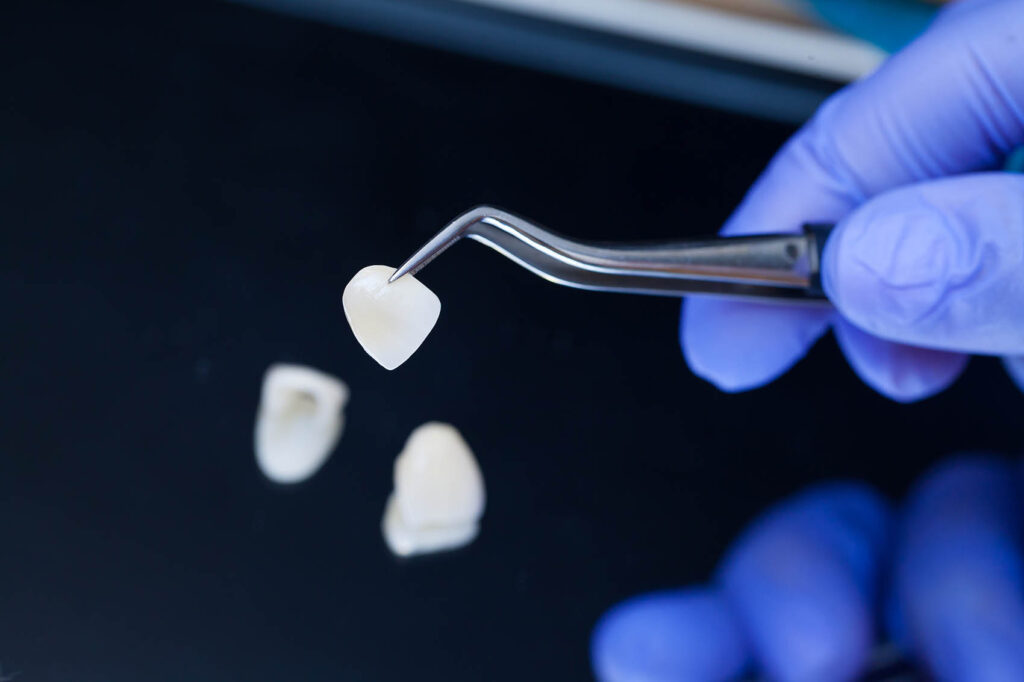
Veneers are fine, custom-made shells that sit over the front surface of teeth. They may suit concerns such as chips, small gaps, uneven edges, worn teeth or persistent discolouration that whitening cannot address. When thoughtfully designed, veneers can create a subtle, harmonious change rather than an artificial uniform look.
However, veneers are not automatically the answer to every cosmetic concern. Depending on the design, some natural enamel may need to be modified, and veneers will eventually require maintenance or replacement. Composite bonding may be a more conservative option for smaller changes, while orthodontic treatment may be worth considering where tooth position is the main issue. A trusted dentist will talk you through these trade-offs honestly.
Crowns when strength and aesthetics both matter
A crown covers the whole visible portion of a tooth and may be recommended when a tooth is significantly weakened, heavily restored, fractured or worn. Modern crowns can be designed to blend beautifully with surrounding teeth, making them a functional and cosmetic solution.
Because crown treatment involves more preparation than a veneer, it should be recommended only when the tooth genuinely needs that level of protection. The right material, shape and shade are chosen with your bite, neighbouring teeth and overall smile in mind.
Implants for a missing tooth
A missing tooth can affect more than appearance. Over time, neighbouring teeth may move and chewing can become less balanced. Dental implants can replace the root of a missing tooth and support a natural-looking crown, providing a fixed option for suitable patients.
Implant treatment is a process, not a quick cosmetic fix. It requires a detailed assessment of bone, gums, health history and healing capacity, and it involves surgery and a healing period. For the right person, it can be an enduring investment in smile confidence and everyday function.
Consider your comfort as part of the treatment plan
If past dental experiences have left you feeling tense, you are far from alone. Cosmetic treatment should not require you to push through fear or feel embarrassed about your anxiety. Let your dentist know what makes appointments difficult, whether that is needles, sounds, a sensitive gag reflex, loss of control or simply uncertainty about what will happen next.
A more supportive plan may include longer appointment times, clear explanations before each step, gentle techniques, breaks when needed or sleep dentistry for eligible treatments. Emotional comfort is not an extra. It can shape how confidently you proceed and how positively you experience the care.
For people drawn to integrative wellbeing, complementary holistic consultations may also offer space to consider the relationship between oral health, stress patterns and broader personal wellness. These approaches should sit alongside appropriate clinical examination and treatment, not replace essential dental diagnosis or care.
Ask the questions that protect your future smile
Before committing to cosmetic work, ask to see how the proposed result has been planned. This may involve photographs, digital smile design, mock-ups or discussion of tooth shape and colour. A good plan does not promise perfection. It aims for a result that is realistic, flattering and maintainable.
You may also wish to ask how the treatment will affect your natural teeth, what follow-up care is needed, whether you may need a night guard if you clench, and what happens if a veneer, crown or filling chips in the future. Practical questions about timing, costs and payment plans are just as valid. Premium care should feel transparent, not pressured.
It also helps to be wary of an approach that treats cosmetic dentistry as a race towards the whitest shade or the fastest transformation. Your features, complexion, lip line, bite and lifestyle all influence what will look and feel right. A nuanced plan may involve staged treatment, beginning with a clean, gum care or whitening before deciding whether more involved cosmetic work is needed.
Your smile can be a place of confidence and ease
The most meaningful cosmetic dentistry often feels quietly transformative. You may find yourself smiling in photographs without thinking about it, speaking more freely at work, or simply feeling more at home in your own reflection. Those changes are personal, and they deserve care that honours both the health of your teeth and the way you want to feel.
Choose a cosmetic dentist who listens closely, explains your options with care and creates room for your preferences. When your treatment is guided by balance rather than pressure, your smile can become a lasting expression of confidence, comfort and wellbeing.