A filling is small, but the decision can feel anything but small when you are trying to make lower-tox choices for yourself or your family. If you have been asking which filling materials contain BPA, the clearest answer is that BPA-related compounds are most relevant to some tooth-coloured resin materials – not to every filling. The exact formulation matters, so an open conversation with your dentist is far more useful than relying on a broad label alone.
At Dental + Skin Clinic, we believe your mouth deserves to feel like a sanctuary for your teeth and your wider wellbeing. That means explaining material choices clearly, respecting your preferences and helping you choose care that feels clinically sound, calm and aligned with your values.
Which filling materials contain BPA or BPA derivatives?
Bisphenol A, commonly called BPA, is a chemical building block used in some plastics and epoxy resins. In dentistry, the concern is usually not that a filling contains free BPA in the same way as a plastic container might. Rather, certain resin-based dental materials may use BPA-derived monomers in their formulation.
The names you may see include Bis-GMA, Bis-DMA and, less commonly, BPA dimethacrylate. These compounds help create durable, tooth-coloured restorative materials. Under particular conditions, some BPA or BPA-like substances may be released in very small amounts, particularly soon after placement. The amount, timing, product formulation and clinical technique can all affect exposure.
Not every composite filling contains the same ingredients. Many modern products are specifically formulated without BPA, Bis-GMA or Bis-DMA, while others may contain one or more related compounds. A dentist cannot reliably determine this from the filling’s colour or from the general word “composite” alone. The manufacturer’s product information and safety documentation are the appropriate places to check.
Composite resin fillings
Composite resin is the most common tooth-coloured filling option. It is made from a resin matrix combined with fine glass or ceramic particles, then hardened with a curing light. Some composites use BPA-derived ingredients, particularly Bis-GMA, while others are promoted as BPA-free or free from particular bisphenol derivatives.
This is where language can become confusing. A material described as “BPA-free” may mean it has no intentionally added BPA, but it does not automatically tell you every ingredient in the resin system. It is reasonable to ask which product will be used, whether it contains BPA, Bis-GMA or Bis-DMA, and whether a suitable alternative is available for the location and size of your restoration.
Dental sealants and bonding agents
Fissure sealants and bonding agents are not fillings in the traditional sense, yet they are resin-based materials used in dental care. Sealants protect the deep grooves of back teeth, often for children and teenagers. Bonding agents help a composite filling adhere to enamel and dentine.
Some sealants and adhesives have historically contained BPA-derived monomers. Others do not. If minimising exposure is a priority for your family, ask about the sealant or bonding system as well as the filling material itself. This matters because a BPA-free composite paired with a different resin-based adhesive may not meet the preference you had in mind.
What about compomers and resin-modified glass ionomers?
Compomers combine features of composite resin and glass ionomer materials. Because they contain resin components, their chemistry should be checked product by product. They may be a practical choice in particular clinical situations, but they should not automatically be assumed to be BPA-free.
Resin-modified glass ionomer cements also include a resin component to improve handling and setting. They are different from conventional glass ionomers, and the ingredients vary between manufacturers. Again, the product documentation matters. “Glass ionomer” is not always a complete answer unless you know whether it is conventional or resin-modified.
Filling materials that do not usually rely on BPA chemistry
Several dental materials are not typically made with BPA or BPA-derived resin monomers. They still have their own benefits, limitations and clinical uses, so the best choice is never simply a matter of ticking one ingredient box.
Conventional glass ionomer cement
Conventional glass ionomer is made from a water-based acid and fluoroaluminosilicate glass. It bonds chemically to tooth structure and can be useful for selected restorations, particularly in lower-stress areas or where moisture control is challenging. It is not generally based on BPA chemistry.
It is usually less wear-resistant than a well-placed composite, especially on biting surfaces that take significant force. For some people, that trade-off is worthwhile; for others, it may not provide the long-term performance needed.
Ceramic restorations
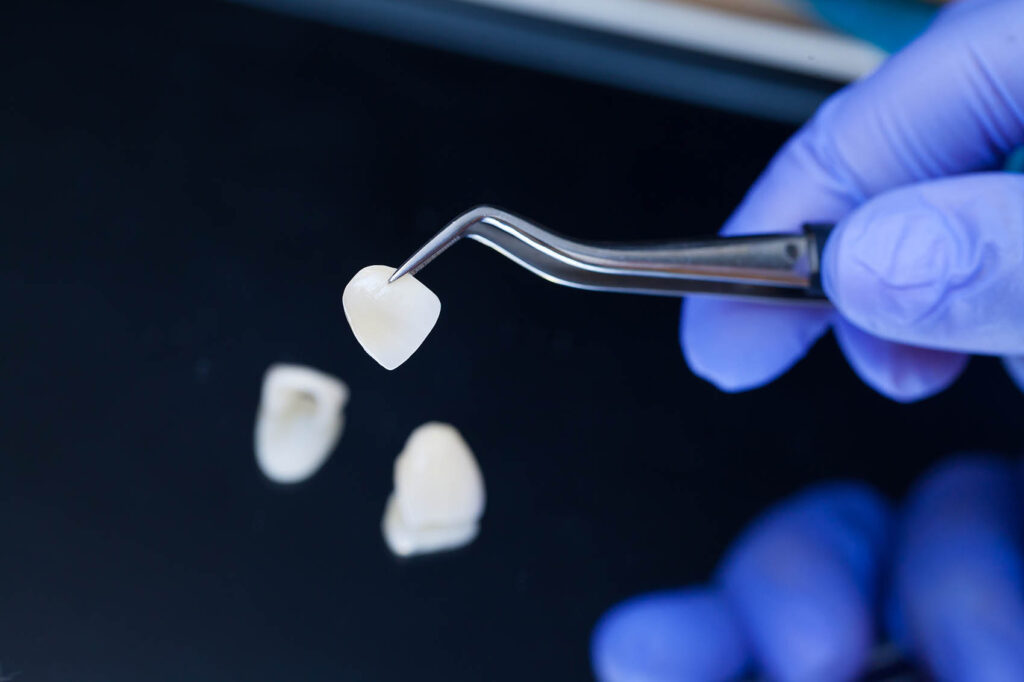
Ceramic fillings, inlays and onlays are crafted from materials such as porcelain or lithium disilicate. They do not typically contain BPA-derived resin monomers within the ceramic itself. They can be an excellent aesthetic and durable option for larger restorations, though they are often more involved and costly than a direct filling.
A ceramic restoration may still be bonded into place with a resin cement. If BPA-related chemistry is a concern, ask about the cement used as part of the overall treatment plan. Looking at the restoration alone does not tell the whole story.
Dental amalgam
Amalgam fillings do not contain BPA. However, they contain mercury combined with other metals, which leads some patients to prefer other options for their personal health and wellness goals. This is a separate material conversation, not a reason to assume amalgam is automatically the right alternative to resin composite.
When an existing filling is stable and symptom-free, replacement should be considered carefully. Removing any restoration creates its own treatment considerations. A personalised assessment can help you decide whether monitoring, repair or replacement is most appropriate.
How to choose a BPA-free filling with confidence
A lower-tox dental plan should be specific, not fear-based. Start with the tooth: how large is the cavity, where is it located, how much chewing force does it receive, and can the area be kept dry during treatment? A tiny front-tooth restoration and a large back-tooth filling may call for very different materials.
Then discuss your material preferences openly. You can ask your dentist to identify the exact composite, bonding agent, sealant or cement proposed for your treatment and confirm whether it contains BPA, Bis-GMA, Bis-DMA or other bisphenol-derived ingredients. For patients seeking a BPA-free option, this simple step helps turn a vague concern into an informed decision.
Clinical technique matters too. With light-cured resin materials, careful curing helps the material set as intended. Dentists may also finish and polish the restoration after curing, which can reduce the uncured surface layer. Following post-treatment advice, including when to eat or drink if relevant, supports the best result.
A gentle perspective on risk and reassurance
It is understandable to want fewer unnecessary chemical exposures, particularly for children, during pregnancy or when you are already making considered lifestyle choices. At the same time, a filling is placed to treat decay, restore function and prevent a small problem becoming a painful, more complex one. Untreated decay also carries real consequences for oral and general wellbeing.
The goal is not perfection or panic. It is thoughtful dentistry that balances material science, durability, appearance, comfort and your individual priorities. For some patients, a BPA-free composite is the right fit. For others, conventional glass ionomer, a ceramic restoration or a different approach may better suit the tooth and their goals.
If you are planning a filling or are concerned about materials already in your mouth, bring those questions to your consultation. A dentist who listens can review your options without judgement, explain the ingredients where they are known and help you make a choice that supports both your smile and your sense of balance.