A brighter smile can change how you feel when you speak, laugh or step into a photo. But whitening should never be about chasing an artificial shade or pushing your teeth beyond their comfort zone. The best ways to whiten teeth are the ones that begin with understanding why your smile looks darker, protect your enamel and gums, and are tailored to your individual oral health.
For some people, a simple professional clean makes a remarkable difference. For others, whitening is the next step after addressing sensitivity, decay, gum inflammation or old restorations. A personalised approach creates a fresher, more harmonious result – without the harsh shortcuts that can leave teeth sore or uneven.
First, understand what is changing your tooth colour
Teeth naturally vary in shade. Healthy teeth are not usually paper-white, and the underlying dentine often gives them a warm ivory or cream tone. Surface stains can build up over time from coffee, tea, red wine, richly coloured foods, smoking and some mouth rinses. These stains are often easier to lift than colour that sits deeper within the tooth.
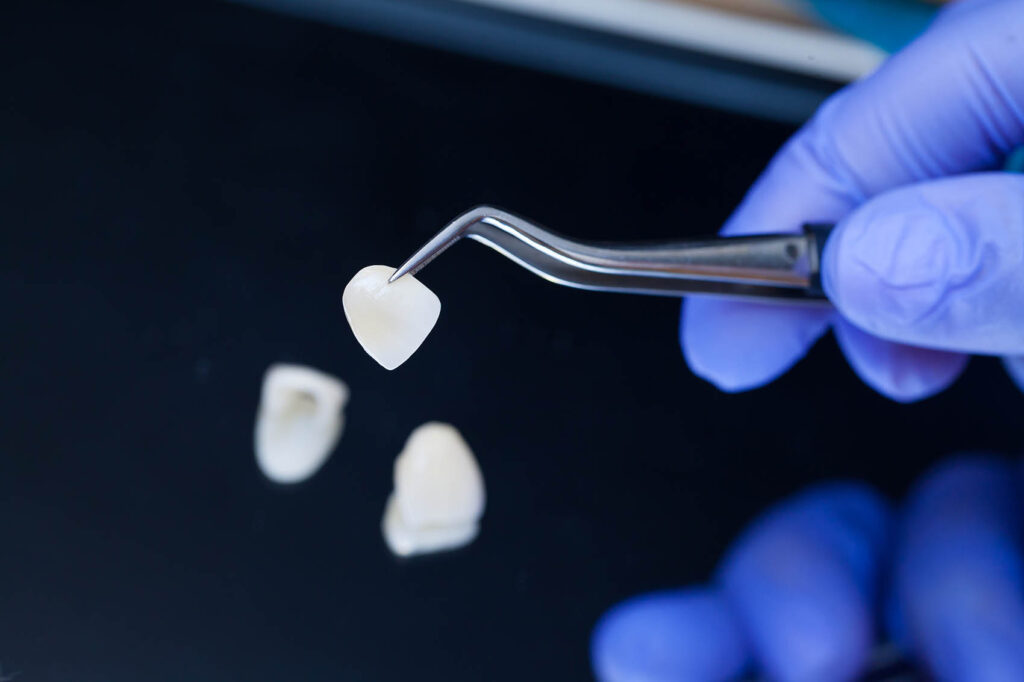
Deeper discolouration can be linked to ageing, past trauma, certain medications, enamel wear or internal changes to a tooth. Whitening may still help in some cases, but the outcome is less predictable. Crowns, veneers, fillings and bonding do not whiten with bleach-based products, either. If these are visible when you smile, their existing shade needs to be part of the treatment conversation.
This is why a dental assessment matters. It helps distinguish surface staining from discolouration that needs a different solution, and confirms your teeth and gums are ready for whitening.
The best ways to whiten teeth start with professional guidance
Professional whitening remains the most reliable option for people wanting a noticeable, even change. A dentist can assess whether whitening suits you, explain what level of brightness is realistic, and help you avoid aggravating tooth sensitivity or gum irritation.
In-chair whitening for a faster result
In-chair whitening uses a carefully controlled whitening gel applied by a dental professional. It can be an appealing choice before a wedding, milestone celebration or important event, particularly if you would like a visible lift in one appointment. Your gums are protected during treatment, and the team can monitor your comfort throughout.
The trade-off is that a rapid result is not always the right choice for sensitive teeth. Some people prefer a slower, more gradual approach, especially if they have experienced sharp, lingering sensitivity after whitening before. A considered consultation allows your dentist to recommend the gentlest pathway for your smile.
Custom take-home trays for gradual, controlled whitening
Custom-made whitening trays sit closely against your teeth, helping the whitening gel stay where it is needed rather than spreading onto the gums. This approach is often ideal for people who value flexibility and a more gradual colour change. You can whiten according to your prescribed plan at home while remaining supported by your dental team.
Because the trays are made for your mouth, they are generally more comfortable and precise than one-size-fits-all options. They can also be useful for occasional top-ups once you have reached a shade you love. Results vary, but gradual whitening often gives people time to find a natural-looking brightness rather than overshooting their preferred shade.
Begin with a clean, healthy foundation
A professional dental clean can remove built-up plaque, calculus and many external stains. It will not change the natural internal shade of your teeth, but it can reveal the lighter colour already beneath the surface and create a clean foundation for whitening.
If your gums bleed, feel tender or look swollen, address that first. Whitening gel can irritate already inflamed tissue, and gum health deserves attention in its own right. The same applies if you have a broken tooth, untreated decay, leaking filling or persistent pain. A beautiful smile should feel calm and comfortable, not merely look brighter.
At Dental + Skin Clinic, whitening is approached as part of whole-smile care. Your preferences, sensitivity history and wider wellbeing are considered so your treatment feels personalised rather than rushed.
Are pharmacy whitening products worth trying?
Over-the-counter strips, pens, trays and toothpastes may help with mild surface staining, but they come with limitations. Their lower-strength formulas and generic fit can mean more modest, less even results. Strips can also touch the gumline, causing temporary irritation, while poorly fitting trays may allow gel to spread where it should not.
Whitening toothpaste can be useful for maintaining a result, particularly when it relies on gentle polishing ingredients. It is not designed to significantly change the intrinsic colour of teeth. Be cautious with highly abrasive formulas: excessive scrubbing can wear the enamel surface over time, potentially making teeth appear yellower as the naturally darker dentine becomes more visible.
If you use an at-home product, follow the instructions exactly and stop if you experience ongoing pain, burning gums or sensitivity that does not settle. More product and longer wear times do not automatically produce a better result.
Skip harsh DIY whitening trends
Lemon juice, vinegar, bicarbonate pastes and activated charcoal are often presented as natural ways to brighten teeth. Natural does not necessarily mean enamel-friendly. Acidic ingredients can soften and erode enamel, while abrasive powders may scratch the tooth surface. Neither is a sensible trade for a short-lived brightening effect.
Oil pulling may feel like a pleasant part of some people’s wellness routine, but it has not been shown to whiten teeth in the same way as dental whitening treatment. It should not replace brushing, interdental cleaning or professional care.
For everyday home care, use a soft toothbrush with gentle pressure and a toothpaste chosen with your dental professional. If you prefer a fluoride-free approach, ask about hydroxyapatite options and whether they suit your individual needs. The goal is to support a strong, comfortable enamel surface while keeping stains from building up.
Keep your new shade looking fresh
Whitening is not permanent, because life is full of colourful food, restorative cups of tea and celebratory glasses of red. A few gentle habits can help prolong your result. Rinse with water after coffee, tea or wine when practical, and avoid brushing immediately after acidic drinks or foods. Waiting around 30 minutes gives your enamel time to reharden.
Regular cleans are also valuable for managing surface stain before it becomes more noticeable. If you smoke or vape, reducing or stopping can benefit both colour and gum health. A straw may reduce contact with cold drinks that stain, although it is not necessary for every drink and should not become a source of stress.
Most importantly, choose a maintenance routine that is realistic. Consistency is kinder to teeth than an occasional burst of aggressive whitening.
When whitening is not the complete answer
One dark tooth, mottled enamel, visible fillings or worn edges may need a more tailored cosmetic solution. Depending on the cause and your goals, this could involve bonding, a crown or veneers. Whitening may be completed first so any new restoration can be matched to your preferred tooth shade.
There is no single ideal shade. The right result is one that suits your complexion, your smile and the way you want to feel when you see yourself in the mirror. A thoughtful whitening plan can bring freshness and confidence to your smile while honouring the health of the teeth that carry it every day.