A small chip on a front tooth, uneven edges in photos, or discolouration that whitening cannot shift can make you far more aware of your smile than anyone else is. When comparing cosmetic bonding vs veneers, the best choice is rarely about which treatment is simply “better”. It is about what will create a natural-looking result while respecting your tooth structure, bite, comfort and personal health preferences.
At Dental + Skin Clinic, we see cosmetic dentistry as part of a more considered picture of wellbeing. Your smile should feel like you: balanced, comfortable and easy to wear every day.
Cosmetic bonding vs veneers: the essential difference
Cosmetic bonding uses a tooth-coloured composite resin, carefully shaped directly onto the tooth. Your dentist layers, sculpts and polishes the material to improve the tooth’s shape, close a small gap, repair a chip or soften uneven edges. In many cases, little to no natural enamel needs to be removed.
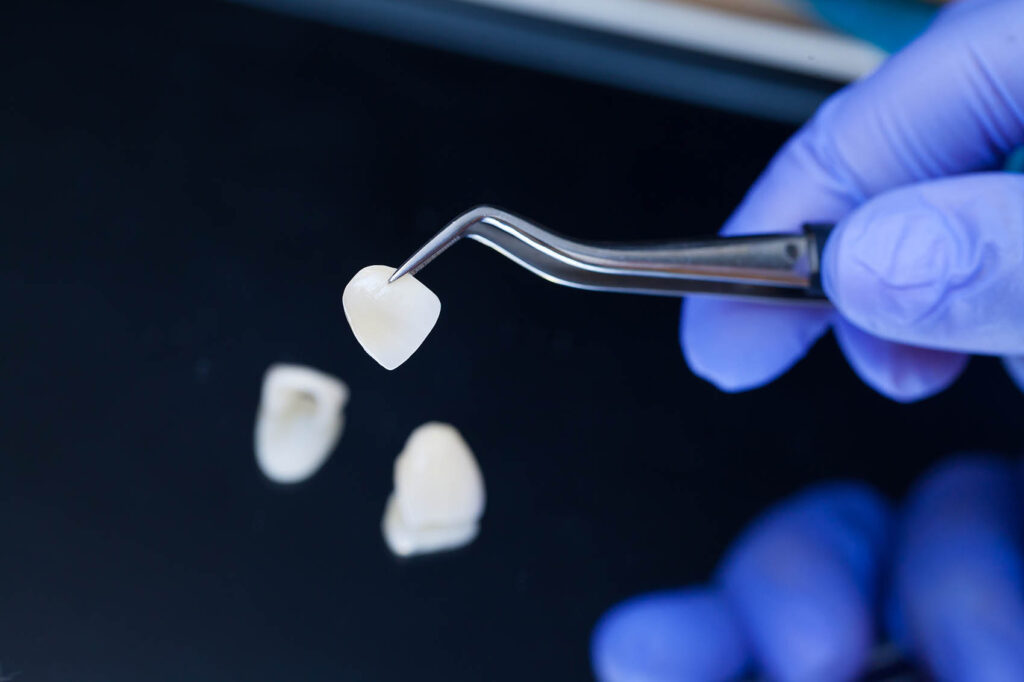
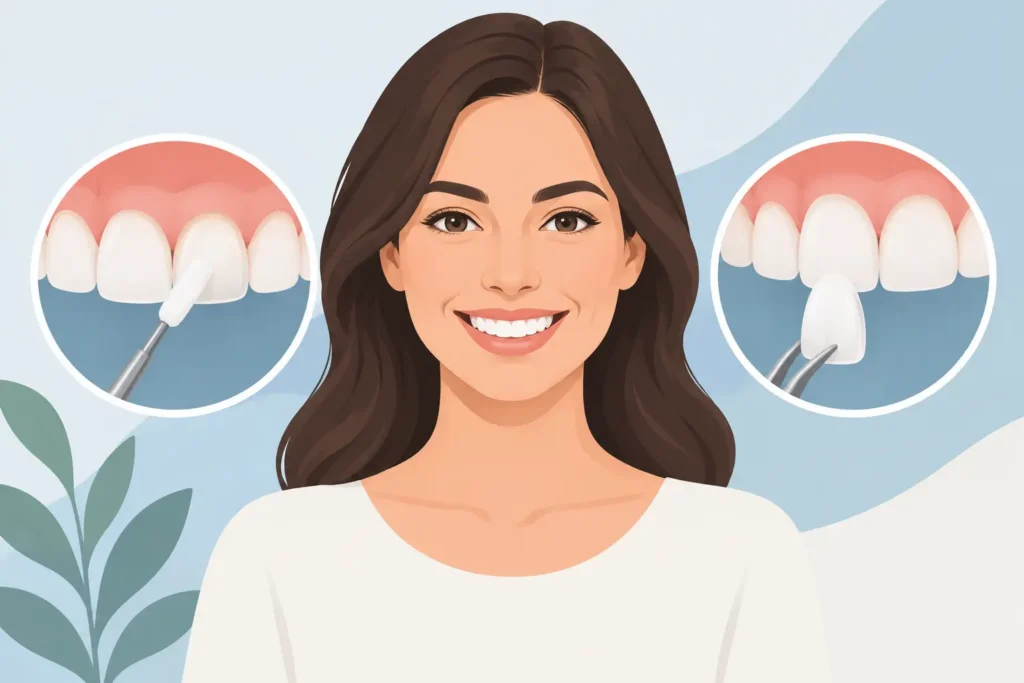
Veneers are finely crafted shells bonded to the front surface of teeth. They are usually made from porcelain or another high-quality ceramic, although composite veneers are also available. Porcelain veneers are designed in a dental laboratory or with digital technology, then bonded into place once the fit, colour and shape have been carefully planned.
Both can create beautiful changes. Bonding is generally the more conservative option for minor refinements, while veneers are often chosen for a more comprehensive and lasting smile transformation.
When cosmetic bonding may be the gentler choice
Bonding is particularly useful when one or two teeth need attention rather than a whole smile redesign. It can be a lovely option for repairing a chipped incisor, evening up slightly worn edges, disguising a small gap or improving the appearance of a tooth with an irregular shape.
Because bonding can often be completed in one appointment, it suits people who want a quicker enhancement without extensive treatment. The process is usually comfortable and, depending on the work required, may not need an injection. It is also typically easier to adjust or repair if the resin chips in future.
There is a trade-off. Composite resin is not as hard-wearing or stain-resistant as porcelain. Coffee, tea, red wine and smoking can gradually affect its colour, particularly around the edges. Bonding may need polishing, repair or replacement over time, and it can be less suitable for people who clench or grind heavily unless their bite is carefully managed with a protective night splint.
When veneers can be worth the investment
Veneers are often better suited to people seeking a more significant, coordinated change across several visible teeth. They can address persistent discolouration, noticeable wear, uneven proportions, small gaps and shape concerns in a way that feels harmonious across the smile.
Porcelain has a translucency that can closely mimic natural enamel. It also holds its colour exceptionally well, making it appealing if you want a brighter, stable shade that is less likely to pick up everyday staining. With attentive home care and regular dental reviews, porcelain veneers can last for many years.
The important consideration is tooth preparation. Some veneer cases require a very fine layer of enamel to be reshaped so the final teeth do not look bulky. Minimal-prep options may be possible in selected cases, but they are not appropriate for every smile. Once enamel has been removed, the tooth will generally need a veneer or restoration maintained in the future.
That is why a thoughtful consultation matters. Veneers should not be a default answer to every cosmetic concern, especially when a more conservative approach could achieve the result you are hoping for.
Appearance is only one part of the decision
A beautiful cosmetic result must work with your face, lips, speech and bite. A very bright, uniform smile may suit one person, while another may prefer subtle refinements that preserve natural character. Neither approach is more valid.
During smile planning, we look beyond a single tooth. The way your teeth meet, the health of your gums, any habits such as nail biting, and signs of grinding all influence the treatment that will serve you best. If your gums are inflamed or your bite is unstable, it may be wiser to address those foundations first.
For patients who prefer a lower-tox, more personalised dental experience, material choices can be discussed openly. We can talk through the composition of proposed materials, your sensitivities and your priorities before a plan is finalised. Feeling informed and at ease is not an extra – it is part of quality care.
Durability, maintenance and everyday life
Neither bonding nor veneers are maintenance-free. Your natural teeth and gums still need gentle brushing, cleaning between the teeth and regular professional care. Avoiding ice chewing, opening packaging with your teeth and biting hard objects will help protect any cosmetic work.
Bonding is more likely to need occasional touch-ups because composite can chip, wear or lose its shine over time. The upside is that repairs are often straightforward and can be localised rather than replacing an entire restoration.
Porcelain veneers are generally more resistant to wear and staining, but they can still crack or debond under excessive pressure. A night splint is often a sensible safeguard for anyone with clenching or grinding tendencies. If a veneer does need replacement, it is usually a more involved process than repairing bonding.
What does cosmetic bonding vs veneers cost?
Cost reflects the materials, planning, clinical time and complexity involved. Cosmetic bonding is commonly less expensive upfront, especially when treating a single tooth or making small changes. Veneers have a higher initial investment because of their custom design, laboratory craftsmanship and longer-term durability.
It is helpful to look beyond the first quote. A lower-cost treatment that requires frequent repairs may not feel like the best value for every person, while a more extensive veneer plan may be unnecessary if your concern is limited to one small chip. Your dentist can provide a personalised estimate after assessing your teeth, gums and bite, along with payment options where appropriate.
A calm pathway to choosing the right treatment
The most reliable way to decide is through a consultation that starts with listening. You may bring photos of smiles you like, but the conversation should also cover what you do not want: teeth that look too white, a long treatment process, unnecessary drilling or materials you feel unsure about.
Your dentist may take photographs, digital scans and X-rays where clinically needed, then assess the condition of existing teeth and restorations. In some cases, a diagnostic mock-up can help you visualise changes before committing. This is particularly valuable with veneers, where proportion and shade choices have a lasting effect.
A conservative plan may begin with hygiene care, whitening or minor bonding, then reassess. In other cases, veneers may offer the more predictable result from the outset. There is no prize for choosing the biggest treatment plan. The right plan is the one that supports healthy function and gives you genuine confidence when you smile.
Who may need treatment before bonding or veneers?
Cosmetic work is best placed on a healthy foundation. Active tooth decay, gum disease, significant enamel loss, untreated bite problems or severe grinding should be addressed first. Cosmetic materials cannot resolve underlying disease, and placing them too soon may compromise the final result.
People with very thin enamel, heavily restored teeth or significant discolouration may also need a different solution, such as crowns or a carefully staged restorative plan. For children and younger teens, bonding may sometimes be considered for a specific repair, but permanent veneers are usually delayed until dental development is complete.
If dental visits bring up anxiety, tell your care team early. A slower pace, clear explanations and comfort-focused options can transform the experience from something to endure into a positive investment in yourself.
Your smile does not need to be perfect to be beautiful. Whether a small touch of bonding or a carefully planned veneer treatment feels right, choose a team that honours your goals, protects what is healthy and helps you move forward with calm, informed confidence.