A smile can feel surprisingly personal. Perhaps you cover your mouth in photos, notice uneven edges when you look in the mirror, or feel that old dental work no longer reflects how well you care for yourself. Cosmetic dentistry is not about chasing a perfectly identical, overly white smile. Done thoughtfully, it can help your teeth look healthy, balanced and unmistakably yours.
For many Melbourne patients, the best result is one that brings confidence without making people ask what has changed. It respects the character of your face, the way you speak and laugh, and the long-term wellbeing of your teeth and gums.
What does cosmetic dentistry include?
Cosmetic dentistry focuses on improving the appearance of your smile, while considering function and oral health at every stage. Treatments may brighten tooth colour, restore worn or damaged teeth, refine uneven shapes, close small gaps or create a more harmonious smile overall.
The right treatment depends on what is bothering you, the condition of your enamel and gums, your bite, and how much change feels comfortable. A single tooth that has darkened after an old filling needs a different approach from a full smile makeover. There is no benefit in applying a one-size-fits-all plan to something as individual as your smile.
At Dental + Skin Clinic, cosmetic care is approached as part of a wider picture of health, comfort and confidence. That means taking time to understand your goals, discussing material preferences, and considering the gentlest appropriate path to a result that feels aligned with you.
Teeth whitening for a fresher-looking smile
Professional teeth whitening can lift surface and deeper staining caused by coffee, tea, red wine, ageing and some medications. It is often a wonderful starting point when teeth are healthy and you would like a noticeable but conservative refresh.
Whitening does have limits. Existing crowns, veneers and tooth-coloured fillings will not change colour, so they may need to be considered as part of the plan. Some people also experience temporary sensitivity. A personalised assessment helps determine whether whitening is suitable and how to keep the process as comfortable as possible.
Veneers for shape, symmetry and colour
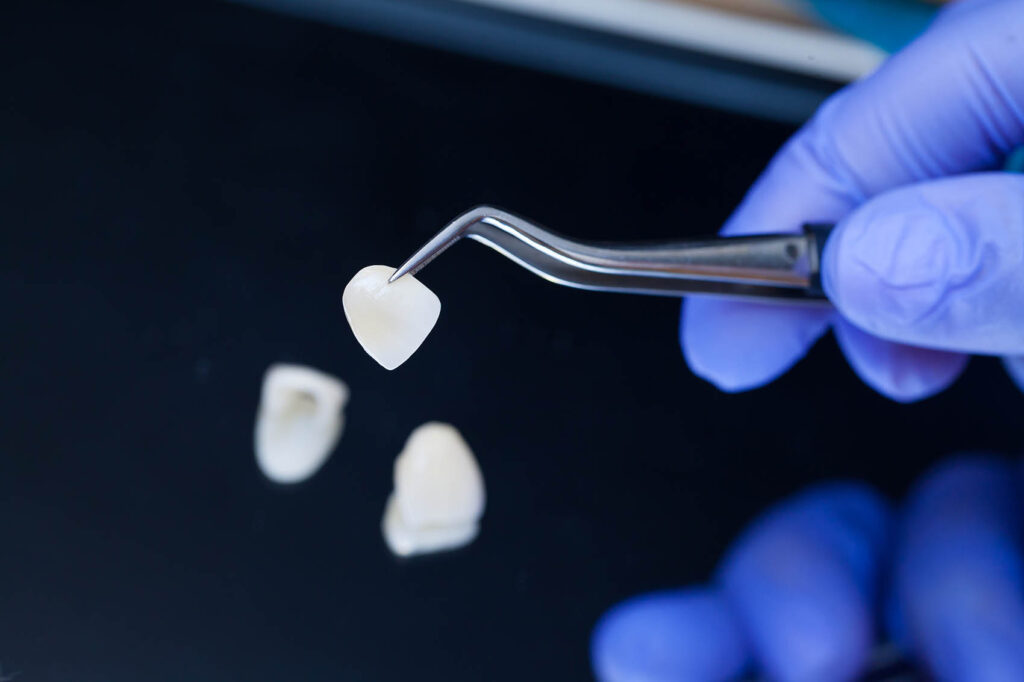
Veneers are fine custom-made shells placed over the front surface of teeth. They can be used to improve the appearance of chips, worn edges, small gaps, uneven shapes and stubborn discolouration that whitening cannot adequately address.
Porcelain veneers are valued for their natural translucency and durability, while composite veneers can be a more conservative or cost-conscious option in suitable cases. The trade-off is that composite may stain or wear sooner and can require more maintenance. Porcelain is generally more of an investment and may involve altering some natural tooth structure, depending on the design.
A beautiful veneer result should not look flat, bulky or too uniform. It should have subtle variation in shape and light reflection, much like natural enamel.
Crowns, bonding and restorative cosmetic care
Sometimes the most cosmetic improvement begins with restoring strength. A tooth with a large old filling, a crack or significant wear may benefit from a crown, which covers and protects the visible part of the tooth. Modern crowns can be carefully colour-matched and shaped to sit beautifully within your smile.
Composite bonding uses tooth-coloured material to repair chips, build up worn edges or make smaller refinements. It is often less invasive than a veneer and may be ideal when the concern is modest. However, it is not always the most durable choice for people who clench, grind or bite hard objects. Protecting cosmetic work with a custom mouthguard may be recommended where appropriate.
Cosmetic dentistry starts with healthy foundations
The most successful cosmetic treatment plans do not begin by choosing a shade of white. They begin by looking at the health and stability of the mouth. Healthy gums frame the teeth, while a balanced bite helps protect any restorative work from premature stress.
If there is gum inflammation, active decay, untreated grinding or an unstable bite, these issues are best addressed first. This can feel like a slower approach when you are eager for change, but it protects your investment and supports a result that lasts. Cosmetic treatment is most rewarding when it is built on a calm, healthy foundation.
For patients who value low-tox and holistic care, the conversation can also include material choices and your personal comfort preferences. Your dentist can explain the practical considerations of each option, helping you make an informed decision without pressure.
How a personalised smile plan takes shape
A considered cosmetic consultation should feel like a conversation, not a sales pitch. You may be asked what you would like to change, what you already like about your smile, and how you want to feel after treatment. Bringing a photo of a smile you admire can help communicate your preferences, although it should be used as inspiration rather than a template.
Your dentist will assess your teeth, gums, bite and facial proportions. They may take photographs, scans or X-rays to understand what is happening beneath the surface. From there, the plan can set out suitable options, expected treatment stages, costs, maintenance needs and any limitations.
For a more involved smile makeover, it can be helpful to preview the proposed shapes before finalising treatment. This gives you a chance to share what feels natural to you. A small adjustment in length, edge softness or tooth colour can make a meaningful difference to the final expression.
Choosing a natural result rather than a trend
Bright white teeth and perfectly even edges may look appealing on a screen, but they are not automatically right for every face. The most flattering shade usually works with your skin tone, eye colour and natural teeth. Likewise, teeth that are slightly individual in shape can look more believable and expressive than a rigidly identical row.
This is where cosmetic dentistry becomes both clinical and artistic. Your dentist considers proportion, symmetry and function, but also the small details that make a smile feel alive. The goal is not to erase your individuality. It is to help your smile look rested, cared for and in harmony with the person you are.
Looking after your cosmetic work
Cosmetic dentistry is not necessarily high maintenance, but it does benefit from consistent care. Brush gently with a soft toothbrush, clean between teeth daily, and attend regular dental reviews and cleans. If you have veneers, crowns or bonding, avoid using your teeth to open packets or bite nails.
Coffee, tea and red wine can gradually stain natural teeth and composite materials. Porcelain is more stain-resistant, although the surrounding natural enamel can still change colour over time. If you whiten after receiving veneers or crowns, remember that these restorations will retain their existing shade. Planning ahead helps keep the smile looking cohesive.
If you wake with jaw tension, headaches or signs of tooth wear, do not ignore it. Clenching and grinding can place significant pressure on teeth and cosmetic restorations. A tailored plan to manage this pressure can protect both your smile and your comfort.
When it is worth booking a consultation
You do not need to be certain that veneers, whitening or a complete smile makeover is right for you before making an appointment. A consultation is simply a space to ask questions, understand your choices and learn what is genuinely appropriate for your mouth.
Whether you are preparing for a wedding, returning to the workforce, replacing ageing dental work or finally giving attention to a smile that has held you back, you deserve care that feels calm and considered. The most meaningful cosmetic change is often not a dramatic new look. It is the quiet ease of smiling without thinking twice.