A severe toothache can make every decision feel urgent. If you are researching holistic options for root canal treatment, you may be weighing more than pain relief: you may also be thinking about materials, inflammation, anxiety, your long-term health and whether keeping the tooth is truly the right path for you.
A thoughtful decision deserves more than a rushed recommendation. Holistic dentistry does not mean ignoring infection or relying on natural remedies to solve a dental emergency. It means looking at the whole person, understanding your preferences, and discussing every clinically appropriate pathway with care, clarity and respect.
What a root canal is designed to treat
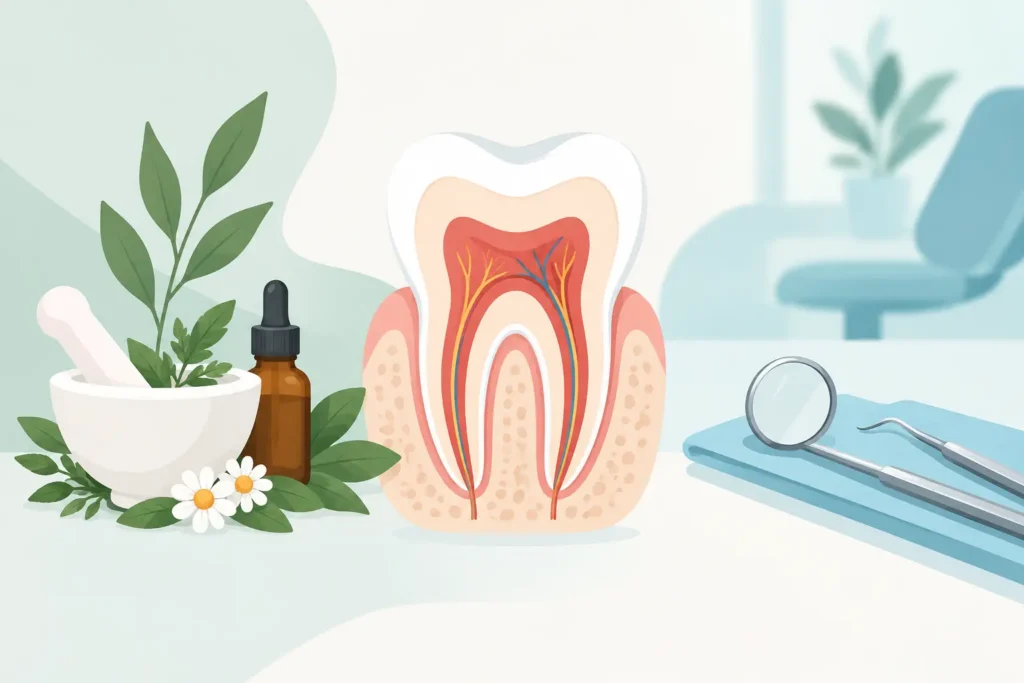
Inside every tooth is soft tissue called dental pulp. When this tissue becomes deeply inflamed or infected – often after extensive decay, a crack, trauma or repeated dental work – it can cause persistent pain, sensitivity, swelling or an abscess. A root canal treatment removes the affected pulp, cleans the internal canals of the tooth and seals them to help retain the natural tooth.
For many people, root canal treatment is a predictable way to relieve pain and preserve a tooth that might otherwise be removed. Modern techniques, local anaesthetic and appropriate restoration can make treatment far more comfortable than its reputation suggests.
However, no treatment is identical for every mouth. The tooth’s structure, the location and extent of infection, your gum and bone health, your immune status, bite forces and personal values all matter. A holistic conversation makes room for those factors rather than treating the diagnosis as a one-size-fits-all instruction.
Holistic options for root canal decisions
When people ask about alternatives, they are usually asking one of two questions: “Can this tooth be supported without root canal treatment?” or “If I choose not to have one, what happens next?” The honest answer is that it depends on the diagnosis.
When monitoring or conservative care may be possible
Not every painful or sensitive tooth has irreversible pulp damage. Early decay, a leaking filling, a bite issue, gum recession or temporary inflammation can sometimes be managed with less invasive care. Depending on the cause, this may involve removing decay, replacing a restoration, adjusting the bite, protecting a cracked tooth with a crown, or monitoring the pulp over time.
A careful assessment is essential. Dental imaging, vitality testing and a detailed examination help distinguish a tooth that may recover from one with an established infection. Waiting without a clear monitoring plan is not a holistic approach if it allows pain or infection to progress.
Extraction and replacement planning
Where a tooth has a poor prognosis, or where a patient does not wish to proceed with root canal treatment, extraction may be considered. Removing a tooth can eliminate a source of active infection, but it is not a small decision. A missing tooth can affect chewing, neighbouring teeth, bite balance and, over time, the supporting bone.
The next question becomes whether to replace it. An implant, bridge or removable option may be appropriate, while in some situations a space can be left under careful professional guidance. The best choice depends on which tooth is involved, your oral health, bone levels, budget and goals for comfort and appearance.
At Dental + Skin Clinic, a holistic consultation can help you consider the wider picture: not only what is happening in one tooth, but how your treatment choice may influence function, confidence and your sense of wellbeing.
Supportive care for comfort and recovery
Whole-body support has a valuable place alongside dental treatment, but it should not be confused with a cure for an infected tooth. Nourishing meals, hydration, quality sleep, stress support and gentle nervous-system regulation can help you feel more resourced before and after care. For anxious patients, breathing techniques, a calm treatment environment and discussing comfort options beforehand can be genuinely transformative.
If you use supplements, herbal products or complementary therapies, tell your dentist and pharmacist. Some products can affect bleeding, interact with medicines or be unsuitable around surgery. A personalised plan keeps complementary care supportive and safe.
What natural remedies cannot do
It is understandable to hope that oil pulling, essential oils, salt-water rinses or supplements can reverse a serious tooth infection. These approaches may help freshen the mouth or soothe minor irritation for some people, but they cannot clean infected tissue from inside a tooth, repair a deep crack or drain an abscess.
Trying to manage severe dental pain at home can also mask symptoms while the underlying problem worsens. Dental infections can spread beyond the tooth and may become serious. Seek prompt dental care if you have facial swelling, fever, a bad taste or discharge, escalating pain, trouble swallowing, difficulty breathing or swelling near the eye. Difficulty breathing or swallowing requires urgent emergency assessment.
A lower-tox, personalised treatment conversation
For patients drawn to holistic dentistry, the materials and process matter as much as the outcome. You can ask practical questions about the proposed treatment, including the restorative material planned after treatment, whether a crown is recommended, and how the team will support your comfort throughout the appointment.
You may also wish to discuss your history of sensitivities, previous reactions, medications, medical conditions and dental anxiety. This is not being difficult. It is useful clinical information and helps your dental team tailor care appropriately.
A low-tox philosophy is often centred on reducing unnecessary interventions and selecting materials thoughtfully. It does not mean that every conventional treatment is automatically harmful, nor does it mean a natural option is automatically safer. The goal is informed choice: understanding the expected benefits, limitations and alternatives before you consent.
Questions worth bringing to your consultation
A good consultation should leave you clearer, not pressured. Ask whether the pulp is likely to recover, what evidence indicates infection, and what could happen if you wait. Ask about the expected longevity of root canal treatment compared with extraction and replacement in your particular case.
It is also reasonable to ask about the tooth’s long-term prognosis, the type of restoration needed afterwards, the number of visits involved and costs across each pathway. If you feel uncertain, seeking a second opinion can be a calm and sensible step, particularly for a complex tooth or a treatment that does not align with your preferences.
Choosing care that feels aligned
The most supportive dental choice is not defined by a single label. Sometimes preserving a natural tooth through root canal treatment is the most conservative path. Sometimes extraction is the more appropriate option. Sometimes the tooth does not require either, but needs early, protective care before damage becomes more extensive.
What matters is receiving a precise diagnosis and having space to make a considered decision. Your mouth is connected to how you eat, sleep, speak, smile and feel each day. Choose a dental team that listens to your concerns, explains the trade-offs without judgement and helps create a treatment plan that honours both your oral health and your wider wellbeing.