A filling may be small, but the decision can feel surprisingly personal. When weighing up composite vs amalgam, you are considering more than how a repaired tooth will look. You may be thinking about durability, whole-body health, cost, comfort and whether the material feels aligned with your values.
At Dental + Skin Clinic, we believe your mouth deserves the same thoughtful care as the rest of you. There is no one-size-fits-all answer. The right filling depends on the tooth, the size and position of the cavity, your bite, your dental history and the kind of care that helps you feel at ease.
Composite vs amalgam: the essential difference
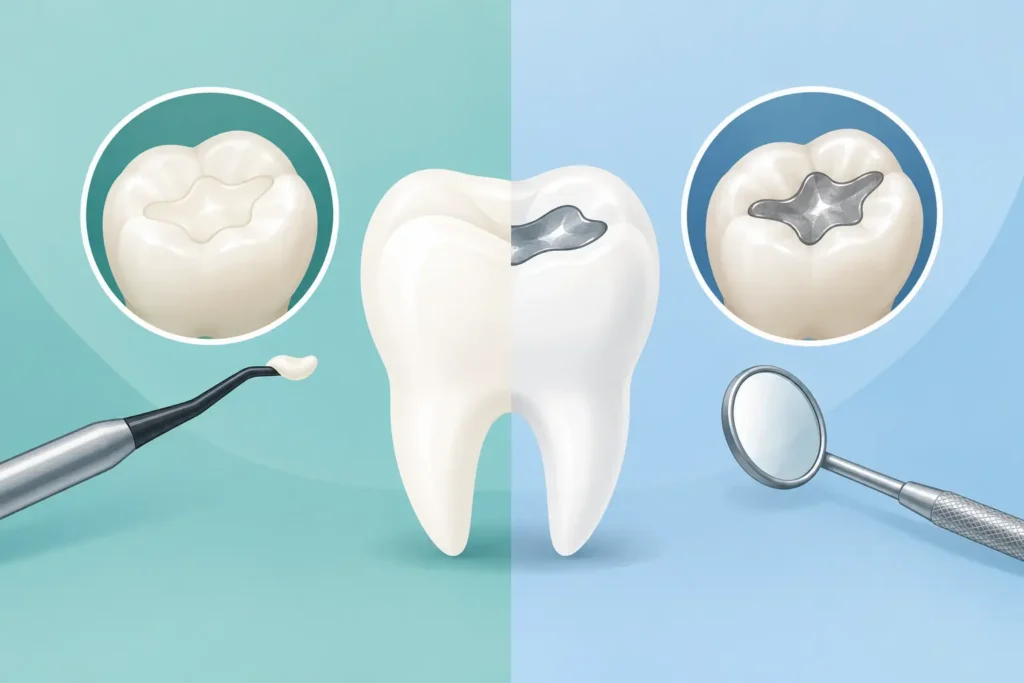
Amalgam is the traditional silver-coloured filling material. It has been used in dentistry for well over a century and is made by combining liquid mercury with a powdered alloy of silver, tin and copper. It is known for its strength, particularly in large fillings at the back of the mouth.
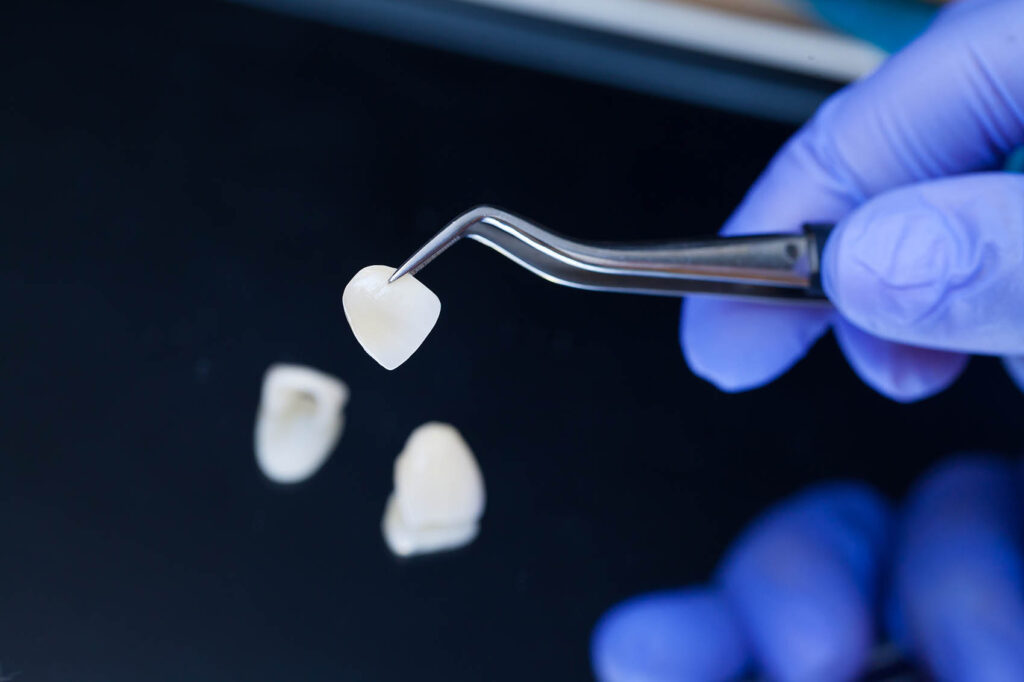
Composite is a tooth-coloured resin material. Your dentist builds it in layers, shapes it to the tooth and hardens it with a special curing light. Modern composites can be carefully colour-matched, making them a popular choice for patients who want a more natural-looking smile.
Both materials have a place in dentistry. Yet their appearance, placement process and suitability can be quite different.
Why many patients choose composite fillings
For patients who value a discreet, natural finish, composite is often the clear preference. Rather than seeing a dark metallic patch when you laugh or speak, a well-matched composite filling blends with the surrounding tooth structure. This can be particularly appealing for visible teeth, although it is equally lovely for back teeth when a more harmonious result matters to you.
Composite also bonds directly to the tooth. In some situations, this allows a dentist to preserve more healthy tooth structure than may be needed for a traditional amalgam filling, which relies largely on the shape of the prepared cavity for retention. Preserving healthy enamel where clinically appropriate is a meaningful part of conservative dentistry.
The placement process is also tailored. The tooth needs to be kept dry while the composite is bonded, then the filling is shaped and polished to support your bite. This precision takes care and time, but it can create a refined result that feels natural when you close your teeth together.
For wellness-minded patients, material selection is another important conversation. Composite fillings are not all identical. If you prefer a BPA-free filling option or have concerns about particular ingredients, your dentist can discuss the material choices available and what is appropriate for your tooth. Honest, personalised guidance matters more than broad promises.
Where amalgam may still be considered
Amalgam has earned its reputation for toughness. It can perform well in large restorations in high-pressure areas, especially where keeping the tooth completely dry is difficult. It is also generally less technique-sensitive during placement than composite, which may influence a dentist’s recommendation in specific clinical circumstances.
Amalgam is usually more affordable upfront. For some people, that makes it an accessible option when a larger filling is needed. It is also highly visible because of its silver-grey colour, and it can darken over time. This does not necessarily mean the filling has failed, but it can affect the appearance of the tooth.
Another consideration is that amalgam does not chemically bond to the tooth in the same way composite does. Larger amalgam restorations may require the dentist to shape the tooth to help hold the material in place. If a tooth has lost a great deal of structure, however, neither filling may be the ideal long-term solution. A ceramic restoration or crown may offer better protection against cracking, depending on your individual needs.
Safety questions deserve a calm, individual conversation
Amalgam contains mercury, which is why many people understandably have questions about it. Major health authorities have generally found dental amalgam to be safe for most people, while also advising additional consideration for certain groups and circumstances. Your dentist should take your medical history, concerns and preferences seriously rather than dismissing them.
At the same time, composite is not a completely inert or universally perfect material. Resin-based fillings contain a blend of compounds, and their longevity depends on careful placement, moisture control, bite forces and oral hygiene. A material being tooth-coloured or lower-tox in your eyes does not automatically mean it is the best clinical choice for every cavity.
A truly holistic approach does not mean making fear-based decisions. It means looking at the whole picture: your physical health, stress levels, oral environment, aesthetic goals, previous dental work and personal comfort with each option. You deserve clear information and space to choose without pressure.
Should old amalgam fillings be removed?
Not every old amalgam filling needs to be replaced. If it is intact, functioning well and there is no decay or fracture around it, monitoring may be the most conservative option. Replacing a sound filling simply because it is old can remove additional healthy tooth structure.
Replacement may be recommended if a filling is cracked, leaking, contributing to recurrent decay, causing a weakened tooth or no longer meeting your aesthetic goals. In those cases, the focus should be on restoring the tooth thoughtfully, not rushing the process.
Removing amalgam requires particular care because drilling can create particles and vapour. If replacement is appropriate, ask how your dental team manages isolation, suction, protective measures and your comfort throughout the appointment. A gentle, well-planned approach can make a significant difference for anxious patients and those seeking a more considered treatment experience.
Comparing composite and amalgam in everyday terms
Composite is often chosen for its natural appearance, conservative bonding approach and ability to be matched to your tooth colour. It is especially suited to visible areas and to patients who prefer a metal-free restoration. Its success relies on excellent technique and may be affected by very heavy grinding, a large cavity or an area that cannot be kept dry.
Amalgam is strong, durable and can be useful in demanding back-tooth situations. It is less aesthetically subtle and contains mercury, which may not align with every patient’s health preferences. While it can last many years, it may also place wedging forces on the tooth as it ages, particularly in a heavily restored tooth.
Cost is not only about the price on the day. A filling that is carefully planned for your bite and maintained well can offer better value than a cheaper option that is not suited to the tooth. Your dentist can explain likely costs, expected longevity and whether a different restoration would better support the tooth over time.
The condition of the tooth matters most
The best question is rarely, “Which material is best?” It is, “What will help this particular tooth stay healthy and strong?” A small cavity between front teeth may be beautifully restored with composite. A deeply damaged back tooth with a history of clenching may need more than a filling. A tooth with decay close to the nerve needs a different conversation again.
Your dentist will assess the size of the cavity, remaining tooth structure, gum health, bite pattern and X-rays where needed. If you grind your teeth, a custom mouthguard may be part of protecting a new restoration. If dental anxiety has delayed treatment, gentle communication and comfort options can help you take the next step without feeling overwhelmed.
A filling choice that feels right for you
Your dental care should feel like a partnership, not a quick transaction. Whether you are choosing a new filling, considering replacement of an existing amalgam restoration or simply looking for answers, take the time to ask about materials, techniques and the long-term plan for your tooth.
At Dental + Skin Clinic, we create space for those conversations with a calm, personalised lens. A considered filling can restore more than a tooth – it can help you feel comfortable smiling, eating and caring for your wellbeing with confidence.