A missing tooth can affect far more than the way you chew. It can change how freely you smile, how you speak in close conversation and how connected you feel to your own confidence. This dental implant procedure review walks through what treatment genuinely involves, from thoughtful planning to the final crown, so you can approach the decision feeling informed rather than rushed.
For many people, an implant is a long-term way to replace a tooth without placing pressure on neighbouring teeth. It is also a treatment that deserves careful consideration. Your oral health, bone support, medical history, comfort preferences and broader wellbeing all play a part in deciding whether it is the right path for you.
What is a dental implant?
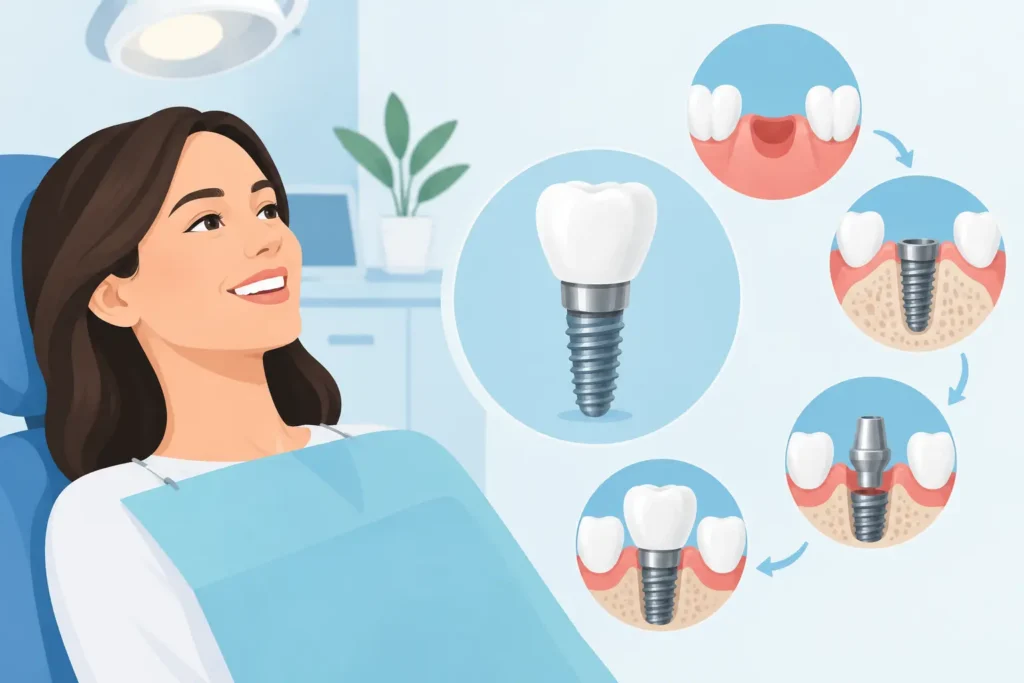
A dental implant is a small titanium post placed into the jawbone to act as a replacement tooth root. Once it has integrated with the bone, it can support a custom-made crown, bridge or, in some cases, a full arch of teeth. The visible restoration is designed to look and function like a natural tooth, with colour, shape and bite considered carefully.
The strength of an implant comes from a biological process called osseointegration. Over time, the jawbone heals around the implant surface, helping create a stable foundation. This process cannot be rushed. While some patients may be suitable for an immediate temporary tooth, the timing of the final crown depends on healing, stability and the details of your individual case.
Implants are often considered when a tooth is missing because of injury, decay, gum disease or a previous extraction. They may suit people who find a removable denture uncomfortable, or who would prefer not to have a conventional bridge attached to adjacent teeth. That said, an implant is not automatically the best choice for every gap. A bridge, denture or orthodontic plan may sometimes be more appropriate.
Dental implant procedure review: the stages of care
A calm implant experience begins well before the procedure itself. Good planning helps protect the health of surrounding teeth and gums, while allowing room for your preferences around treatment, materials and comfort.
1. A comprehensive consultation and planning appointment
Your dentist will assess the tooth gap, the gums, your bite and the health of nearby teeth. Digital X-rays and, where needed, 3D imaging help show the available bone and the position of important structures such as nerves and sinuses. This makes placement more precise and helps determine whether bone grafting is needed.
This appointment is also where the wider picture matters. Share any medical conditions, medications, history of gum disease, smoking or vaping, clenching, sleep concerns and previous dental experiences. If dental anxiety has made it difficult to seek care in the past, say so. There are gentle ways to make treatment feel more supported, including staged appointments and sleep dentistry options where clinically appropriate.
At a holistic consultation, patients may also wish to discuss low-tox principles, their preferences around materials and any whole-body health considerations that are meaningful to them. A considered clinician will listen without making promises that cannot be clinically supported. The goal is personalised care that respects your values while keeping safety and sound dentistry at the centre.
2. Preparing the site, if required
Sometimes the implant site is ready after a tooth has been missing for some time. In other cases, the area needs preparation first. If a tooth must be removed, the dentist may recommend allowing the socket to heal before implant placement. Where bone has reduced after tooth loss, a bone graft may be advised to build enough support for the implant.
A graft can add time to treatment, which may feel frustrating when you want your smile restored quickly. Yet this stage can be essential for a stable, natural-looking result. The right timeline is not the fastest one. It is the one that gives the implant the best foundation possible.
3. Implant placement
Implant surgery is generally performed under local anaesthetic, so you should not feel pain during the procedure. You may feel pressure or vibration, but many patients find the appointment more manageable than they anticipated. Sedation may be an option for those who feel particularly nervous or are having more complex treatment.
The dentist makes a small opening in the gum, prepares the bone with precision and places the implant. In some situations, a healing cap or temporary tooth is fitted on the same day. In others, the site is allowed to heal beneath the gum. The approach depends on implant stability, the location of the tooth, bone quality and bite forces.
Afterward, mild swelling, tenderness and bruising can occur for several days. Your dental team will provide tailored aftercare instructions, which may include soft foods, gentle oral hygiene and avoiding strenuous exercise for a short period. Follow-up care is not an optional extra. It allows healing to be checked and small issues to be addressed early.
4. Healing and integration
The healing period commonly takes several months, although each case is different. During this time, bone gradually integrates with the implant. You may have a temporary tooth to protect appearance, particularly in visible areas, but it should not be treated like a fully healed permanent tooth.
This is a quiet but important phase. Maintaining excellent home care, attending reviews and avoiding smoking support healthier healing. If you grind or clench, a custom mouthguard may be recommended to reduce excess pressure on the restoration once it is in place.
5. Your final crown or restoration
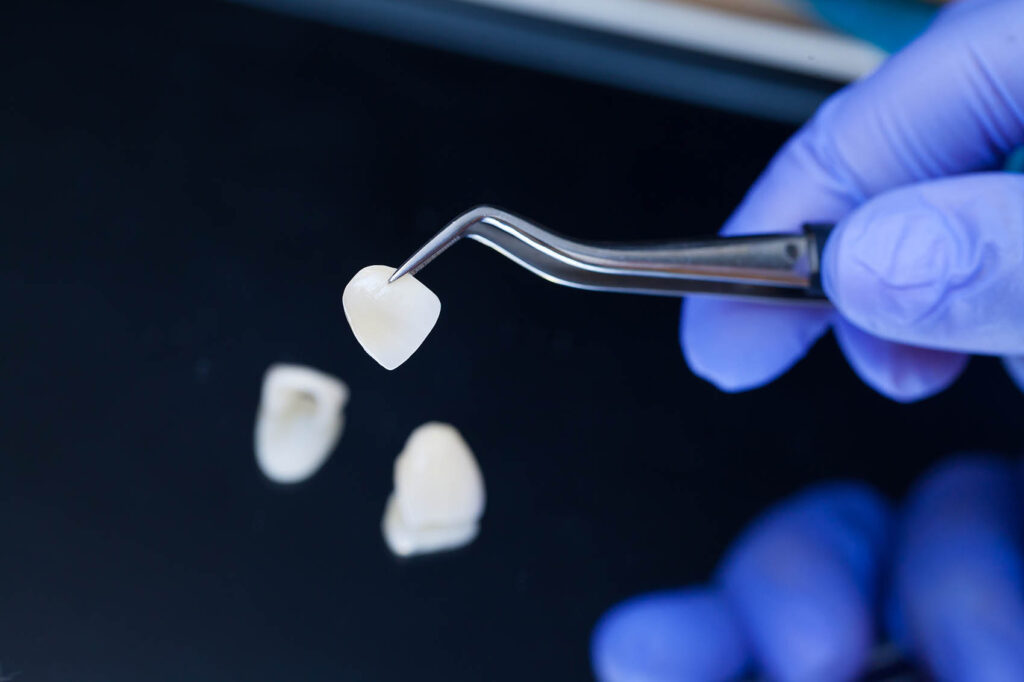
When the implant is stable, your dentist takes a digital or traditional impression to create the final restoration. The crown is designed around your facial features, neighbouring teeth and bite. Small details matter: translucency, surface texture and the way the crown meets the gumline all influence whether the tooth looks naturally at home in your smile.
The crown is then attached to the implant, either with a screw-retained or cement-retained design. Your dentist will check the bite carefully, because a crown that meets too heavily can place unnecessary stress on the implant and surrounding teeth.
How long does a dental implant take?
From consultation to final crown, implant treatment often takes between three and nine months. If grafting, complex gum treatment or extensive healing is needed, it can take longer. Immediate implant options exist in selected cases, but they are not suitable simply because someone wants a shorter treatment timeline.
The most useful question is not, “How quickly can this be done?” It is, “What sequence gives this tooth the best chance of lasting well?” A clear treatment plan should explain the proposed timing, temporary-tooth options, expected reviews and any factors that could alter the schedule.
Are dental implants painful?
Most patients report that the procedure is less daunting than expected. Local anaesthetic keeps the surgical area numb, and discomfort after treatment is usually manageable with the pain relief recommended by your dentist. The experience varies according to the complexity of surgery, whether grafting was completed and your personal sensitivity.
Anxiety deserves just as much care as physical comfort. Feeling safe in the chair can shape your entire experience. Choosing a practice that explains each step, allows time for questions and never treats your concerns as an inconvenience can make a meaningful difference.
Implant materials, wellbeing and informed choice
Titanium remains the most widely used implant material because it has a long clinical history and a strong evidence base. Some patients ask about alternatives, including ceramic implant options. Whether these are appropriate depends on the treatment site, available systems, your bite and the clinician’s assessment.
A wellness-led approach does not mean bypassing clinical planning. It means making room for a more complete conversation: how you want to feel throughout treatment, what materials you are comfortable with, how oral health fits into your lifestyle and what support will help you maintain the result. At Dental + Skin Clinic, this is approached with gentle communication, modern dentistry and respect for individual preferences.
Looking after an implant for the long term
An implant cannot develop decay, but the gum and bone around it still need care. Inflammation around an implant can progress if plaque is allowed to build up, so daily brushing, cleaning between teeth and regular professional maintenance are essential.
Your long-term plan may also include monitoring your gums, bite and crown condition. If you clench, grind or experience changes in your health, let your dentist know. Protecting an implant is an ongoing partnership, not a one-off procedure.
A dental implant can be a beautifully restorative choice when it is planned with patience and placed with care. The most helpful next step is a personalised consultation where you can ask questions, understand your options and choose a path that feels right for your smile and your wellbeing.