A stressful week can leave clues well beyond a racing mind or tight shoulders. You may wake with a tender jaw, notice a new chip on a tooth, or feel that your gums are more sensitive than usual. So, does stress affect teeth? Absolutely – often through the ways stress changes muscle tension, sleep, daily routines and the body’s ability to recover.
Stress is not a personal failure, and it does not mean dental damage is inevitable. It is, however, a meaningful part of the oral health picture. A gentle, personalised approach can help protect your smile while also making space for the emotional and physical pressures you are carrying.
How does stress affect teeth and gums?
The most familiar link is teeth grinding or clenching, known clinically as bruxism. Some people clench while concentrating, driving or exercising. Others grind during sleep and only learn about it when a partner hears it, a dentist notices wear patterns, or jaw pain begins to interrupt the morning.
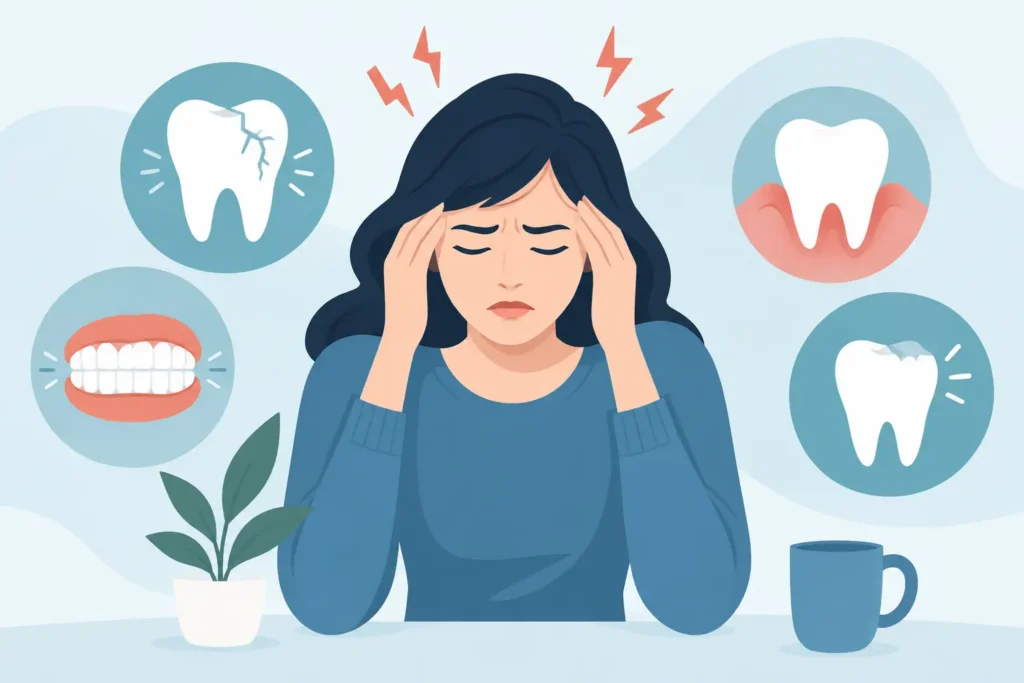
When the jaw muscles stay switched on for hours at a time, teeth can be placed under forces they were not designed to handle continuously. Over time, this may contribute to flattened or chipped edges, tiny cracks, sensitive teeth, loose or broken restorations, and pain around the jaw joint. Clenching can also trigger tension headaches and discomfort through the temples, ears, neck and shoulders.
Stress may influence gums more indirectly. When life is full, brushing and flossing can become rushed, regular cleans may be postponed, and convenience foods or frequent sipping on sugary drinks can take over. Stress can also affect sleep, immune response and dry-mouth symptoms, all of which may change the environment in the mouth. Gum bleeding, swelling or ongoing bad breath should never be dismissed as simply stress-related, though. They deserve a proper dental assessment.
Stress does not cause every dental problem
This distinction matters. A cracked tooth can result from an old filling, biting a hard food, decay, trauma or bite pressure. Gum inflammation is commonly driven by plaque build-up, but hormonal changes, smoking, certain medicines and health conditions can also play a role. Stress can amplify risk and symptoms, yet it is rarely the whole explanation.
A thoughtful examination looks at the full picture: your bite, teeth, gums, jaw muscles, sleep quality, habits, medical history and what has been happening in your life. That is more useful than assuming one cause and offering a one-size-fits-all solution.
Signs your teeth may be carrying stress
Stress-related strain can be subtle at first. You may notice that your jaw feels fatigued after work, that your teeth do not meet comfortably, or that cold drinks suddenly cause a sharp sensation. Some people develop scalloped marks along the sides of their tongue, cheek biting, or a feeling that their face is holding tension.
Visible changes can include worn enamel, small chips near the front teeth, cracks around fillings, or teeth that look shorter than they once did. Your dentist may also see enlarged jaw muscles or wear on a night-time mouthguard. These signs do not always cause pain, which is why preventive visits can be so valuable.
It is worth booking promptly if a tooth is cracked, painful on biting, sensitive for more than a few days, or if a crown or filling feels loose. Seek urgent dental care for facial swelling, severe toothache, fever, uncontrolled bleeding, or an injury that has knocked or loosened a tooth. Stress may be present, but infection and trauma need timely clinical care.
Why sleep makes such a difference
Night-time is when many people grind most intensely. Sleep disruption, alcohol, caffeine later in the day and some medications may influence clenching for certain people. Sleep-disordered breathing can also coexist with grinding, particularly if you snore, wake unrefreshed, gasp during sleep or feel excessively tired during the day.
The relationship is not always straightforward. A mouthguard can protect teeth from the direct effects of grinding, but it does not necessarily stop the muscle activity or resolve the reason it is happening. If sleep symptoms are present, a broader conversation with your dentist, GP or an appropriate sleep practitioner may be needed.
Gentle ways to protect your smile during stressful periods
The first step is awareness, not perfection. During the day, your resting jaw position should generally allow your upper and lower teeth to sit apart, with the tongue relaxed against the palate. A simple cue such as “lips together, teeth apart” can interrupt unconscious clenching at your desk, in traffic or while checking your mobile.
A few small practices can make a real difference when repeated consistently:
- Pause for slow breathing when you notice your shoulders rising or your jaw tightening.
- Choose water regularly, particularly if stress or medication is leaving your mouth dry.
- Keep a simple, steady home routine of gentle brushing and cleaning between teeth.
- Limit frequent acidic or sugary snacks and drinks, especially when you are grazing to get through a busy day.
- Protect sleep where possible by creating a calmer wind-down routine and discussing persistent sleep concerns with a health professional.
These measures support oral health, but they are not a substitute for treatment where teeth are already damaged or jaw symptoms are significant. Avoid trying to reshape a rough tooth yourself or buying an ill-fitting guard as a long-term solution. A poorly fitted device can be uncomfortable and may alter how your bite feels.
A professionally made mouthguard can be protective
For people who clench or grind, a custom-made night guard is often a practical way to create a protective barrier between upper and lower teeth. It is designed around your mouth and bite, then reviewed for comfort and fit. This can help reduce further wear and protect veneers, crowns, fillings and natural enamel.
The right appliance depends on your needs. A soft guard may suit some people, while a firmer design may be more appropriate for others. If you have jaw joint pain, headaches, extensive dental work or suspected sleep issues, the design and monitoring matter even more. Your dentist can explain the trade-offs and whether a guard is suitable for you.
Caring for the nervous system is part of dental care
A healthy mouth does not exist separately from the rest of you. For some patients, the most helpful dental plan includes practical protection for their teeth alongside support for stress management, sleep, nourishment and emotional wellbeing. That may mean speaking with your GP, psychologist, physiotherapist or another trusted practitioner, depending on what is contributing to your symptoms.
At Dental + Skin Clinic, we approach these conversations with calm curiosity. We can assess the clinical effects of clenching and gum changes, then work with you on a care plan that respects your preferences, comfort and broader wellbeing. There is no prize for pushing through jaw pain or hiding a chipped tooth because life is busy.
Your teeth do a remarkable amount of work quietly every day. If stress is showing up in your smile, consider it a compassionate prompt to slow down, seek support and give your mouth the protection it deserves.