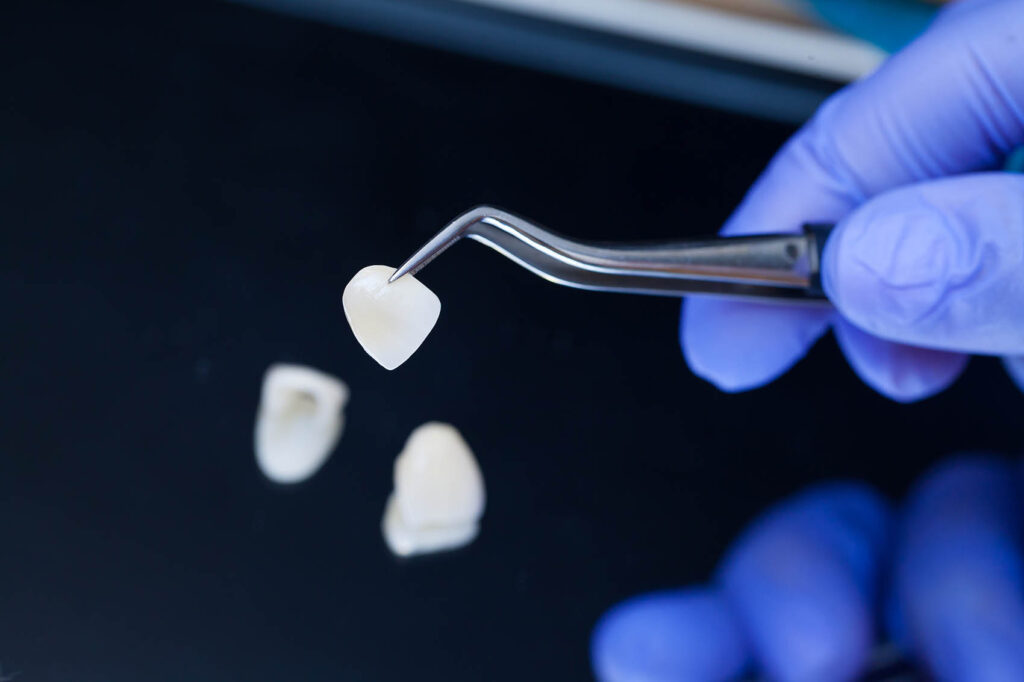
A beautiful veneer result begins well before your treatment day. Knowing how to prepare for veneers gives you space to make considered choices about your smile, your comfort and the materials used in your care. Rather than rushing towards a particular look, begin with the foundation: healthy teeth, healthy gums and a clear understanding of what will feel like you.
Veneers can be a meaningful confidence boost for teeth affected by chips, uneven edges, gaps, discolouration or irregular shape. They are also a permanent cosmetic decision in many cases, particularly where a small amount of natural enamel needs to be reshaped. Taking time to prepare helps ensure your new smile supports both your appearance and your long-term oral wellbeing.
Start With a Personalised Veneer Consultation
The first step is a detailed consultation, not a quick decision based on a photo or a celebrity smile. Your dentist should assess your teeth, gums, bite, jaw function and existing dental work, then listen closely to what you would like to change and what you would prefer to preserve.
Bring examples of smiles you like, but use them as a starting point rather than a blueprint. A smile that looks harmonious on one face may not suit another. Tooth proportions, lip line, facial features, skin tone and the amount of tooth visible when you speak all influence a natural-looking design.
This is also the right time to share any concerns about dental anxiety, sensitivities, previous treatment experiences or health preferences. If you value a lower-tox or more holistic approach, ask about the materials, bonding process and treatment options available to you. Feeling heard is part of feeling ready.
Discuss Whether Veneers Are the Right Option
Veneers are not automatically the best answer for every cosmetic concern. In some situations, whitening, orthodontic treatment, composite bonding or a crown may be more appropriate. For example, whitening may be enough if your teeth are well shaped but discoloured, while orthodontics may be recommended if tooth position is the main concern.
Porcelain veneers are highly durable and resistant to staining, with a refined, light-reflective appearance. They generally involve more planning and may require enamel preparation. Composite veneers can often be completed more conservatively and repaired more easily, though they may stain or wear sooner. The right choice depends on your enamel, bite, aesthetic goals, lifestyle and budget.
How to Prepare for Veneers by Building a Healthy Foundation
Cosmetic dentistry works best when the mouth is stable and healthy. Before veneers are placed, any decay, gum inflammation, leaking fillings or active infection should be addressed. Veneers can improve what is visible, but they do not replace preventative care or treat underlying disease.
A professional clean may be recommended before treatment so your gums are calm and your dentist can accurately assess the natural shade and shape of your teeth. If you notice bleeding when brushing, persistent bad breath, tenderness or gum recession, mention it early. Gum health affects both the appearance of veneers and how securely they can be supported over time.
Your bite also matters. If you clench or grind your teeth, veneers can be placed under extra pressure and may chip, loosen or wear prematurely. Your dentist may discuss a protective night guard, bite adjustments or ways to manage jaw tension. This is not a reason to give up on your smile goals. It is simply part of designing treatment that respects how your mouth functions day and night.
Be Honest About Your Habits
There is no judgement in a good consultation, only useful information. Let your dentist know if you grind your teeth, chew ice, bite pens, vape, smoke or regularly eat very hard foods. Share whether you play contact sport, have reflux, or take medications that contribute to dry mouth. These details can influence the design, material and aftercare plan.
If smoking or vaping is part of your routine, consider reducing or stopping before treatment. Nicotine can affect gum health and may contribute to staining around restoration edges over time. Small changes made before veneers can protect the investment you are making in your smile.
Plan Your Smile Design Thoughtfully
The brightest shade is not always the most beautiful shade. Natural teeth have depth, translucency and subtle variations in colour, and a well-designed veneer smile should complement your features rather than overpower them.
Talk through the level of whiteness you want, how symmetrical you would like your teeth to appear and whether you want a more polished or softly natural finish. Some people want their front teeth to look almost identical. Others prefer gentle individuality that keeps their smile recognisably their own. There is room for both approaches.
If whitening is planned for teeth that will not receive veneers, complete it before the final shade is selected. Veneers do not whiten with bleaching products, so their colour needs to be matched carefully to the surrounding teeth from the beginning.
Ask to see a mock-up, digital preview or temporary trial smile where appropriate. These planning tools can help you assess tooth length, edge shape and overall balance before the final veneers are made. Speak up if something feels too long, too square, too opaque or simply unlike you. Good cosmetic dentistry is a collaboration.
Prepare for Your Veneer Appointments
Veneer treatment usually takes more than one visit for porcelain veneers. At the preparation appointment, your teeth may be gently reshaped if required, impressions or scans are taken, and temporary veneers may be fitted while your final restorations are crafted. Some composite veneer treatments can be completed in a single appointment.
Have a nourishing meal beforehand unless you have been given different instructions, particularly if you are prone to feeling light-headed during dental visits. Wear comfortable clothing and allow enough time so you are not rushing from work, school drop-off or another demanding commitment.
If sedation is part of your care plan, arrange for a trusted adult to take you home and stay available afterwards. Avoid driving, signing important documents or making major decisions until the effects have fully worn off. Your clinic will give you individual instructions, so follow these closely.
It can also help to plan gentle meals for the first day or two, especially if your gums feel tender after preparation. Think yoghurt, eggs, soups, soft vegetables, fish or pasta rather than crusty bread, hard lollies or anything that requires heavy biting. Temporary veneers are designed to protect your teeth, but they need a little extra care.
Know What to Expect After Veneers
It is common to experience short-term sensitivity to temperature after tooth preparation or bonding. Your gums may also feel tender for a few days. This should settle, but contact your dentist if pain is strong, worsening or persistent, or if your bite feels uneven when you close your teeth together.
Once your final veneers are fitted, they should feel comfortable and integrated with your natural bite. Give yourself a little time to adjust to their shape, particularly when speaking or eating. If one tooth feels as though it meets first or catches when you bite, do not try to wait it out. A small adjustment can make a significant difference to comfort and longevity.
Caring for veneers is beautifully simple: brush gently twice daily with a soft toothbrush, clean between your teeth every day and attend regular dental cleans and check-ups. Choose a non-abrasive toothpaste, and ask your dentist which products best suit your veneers, natural enamel and personal preferences. Avoid using your teeth as tools to open packaging or bite fingernails, and wear any recommended night guard consistently.
Give Yourself Permission to Go at Your Pace
A veneer consultation should leave you feeling clearer, not pressured. Ask how much natural tooth structure will be retained, what the likely lifespan and maintenance needs are, what happens if a veneer chips, and what alternatives may suit your smile. You deserve direct answers that support an informed choice.
At Dental + Skin Clinic, veneer planning is approached as part of the wider picture: your oral health, comfort, confidence and sense of personal balance all matter. The most rewarding veneer result is not a smile that follows someone else’s ideal. It is one that lets you speak, laugh and show up in the world with more ease.