Teeth rarely become worn overnight. It may begin with a slightly shorter front tooth, a chipped edge that catches on your lip, or a smile that looks flatter and duller in photos than it once did. A smile makeover for worn teeth is not simply about making teeth look whiter or more even. Done thoughtfully, it can restore the shape, comfort and confidence that gradual wear has taken away, while respecting the way your teeth, bite and whole body work together.
For many people, worn teeth carry an emotional weight as well as a practical one. You may find yourself hiding your smile, avoiding certain foods, or feeling older than you are. A gentle, personalised plan can create meaningful change without making your smile look artificial or overdone.
Why teeth wear down in the first place
Tooth wear is common, but the reason behind it matters. Teeth can become shorter, thinner or more translucent through grinding and clenching, often during sleep. Acid exposure from reflux, frequent acidic drinks or certain dietary habits can soften enamel. An uneven bite, missing teeth, dry mouth and even a long-standing habit such as chewing pens can also place excess pressure on particular teeth.
Wear is not always painful at first. As enamel becomes thinner, however, teeth may become sensitive to cold foods, develop small chips, or feel rough along the edges. In more advanced cases, the bite can change and the lower face may appear less supported because the teeth have lost height.
This is why a cosmetic solution should not be chosen from appearance alone. Covering worn teeth without understanding the forces causing the wear can mean the new restorations are placed under the same stress. A careful assessment looks at your teeth, gums, bite, jaw comfort, lifestyle and any signs of clenching or acid erosion before treatment is designed.
Is a smile makeover for worn teeth right for you?
A smile makeover can be appropriate when wear affects how your teeth look, feel or function. It may involve one or two teeth, or a more comprehensive restoration of the smile and bite. The right scope depends on how much healthy tooth structure remains, whether the wear is active, your goals and your budget.
The aim is usually preservation first. Where possible, a dentist may recommend conservative options that protect remaining enamel and rebuild only what has been lost. For some people, this means subtle composite bonding to restore chipped edges. For others, porcelain veneers, ceramic onlays or crowns may offer the strength and long-term stability needed for more extensively worn teeth.
There is no single makeover formula. A person with minor edge wear and healthy enamel may not need the same treatment as someone whose teeth have been heavily affected by night-time grinding or erosion. A beautiful result should also feel comfortable when you speak, chew and rest your jaw.
Composite bonding for gentle refinement
Composite bonding uses a tooth-coloured material to rebuild worn corners, lengthen teeth slightly or soften uneven edges. It can be a conservative choice because it often requires minimal alteration to the natural tooth. It is especially useful when the wear is mild or when you would like to test a new tooth shape before committing to a more permanent restoration.
The trade-off is that composite can stain, chip or wear over time, particularly in a strong bite. It may need maintenance or replacement sooner than porcelain. For the right patient, though, its flexibility and natural appearance can make it a lovely starting point.
Veneers, onlays and crowns for greater protection
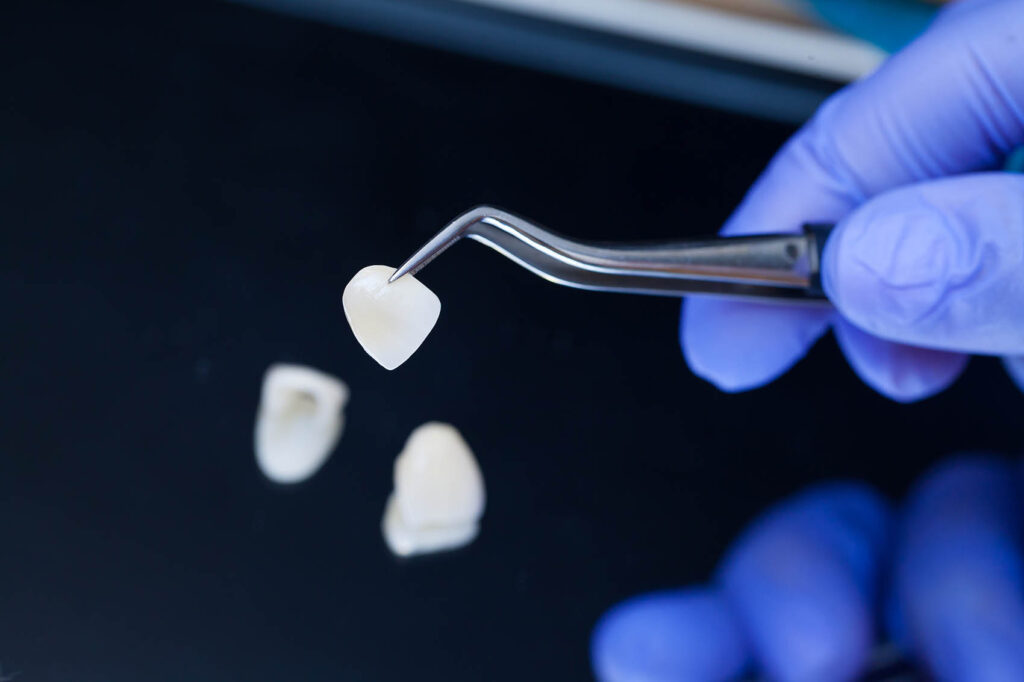
Porcelain veneers are thin custom shells placed over the visible surface of teeth. They can restore proportion, colour and symmetry when front teeth are worn but still have enough sound structure. Ceramic onlays rebuild damaged biting surfaces while preserving more natural tooth than a full crown where suitable.
Crowns cover the entire tooth and may be recommended when wear, cracks or previous large fillings have left less tooth structure to support a conservative restoration. They can restore height and strength, but preparation is more involved. The most appropriate option balances aesthetics with the need to protect your natural tooth for the future.
Whitening may also be considered before final restorations are made, as this allows the shade of veneers, bonding or crowns to be selected around the brightness you prefer. Restorations themselves do not whiten in the same way natural teeth do, so timing matters.
Treating the bite is part of protecting the smile
If grinding, clenching or an uneven bite has contributed to wear, restoring tooth shape without managing those forces may not be enough. Your plan may include a custom mouthguard for night-time use, bite refinement, or discussions around jaw tension and sleep quality. If teeth have shifted significantly, orthodontic treatment may be considered before cosmetic work so the final restorations sit in a more stable position.
A mouthguard is not a one-size-fits-all add-on. It should be designed around your new bite and checked over time. At Dental + Skin Clinic, patients can also discuss BPA-free mouthguard options and material preferences as part of a personalised approach to care.
Jaw clenching can have several contributors. Stress is often part of the picture, but it is not the whole story for everyone. Sleep disruption, medication, airway concerns and bite patterns can all be relevant. A respectful conversation helps identify when dental care should be coordinated with your GP or another health practitioner.
A whole-person approach to materials and comfort
For health-conscious patients, a smile makeover often raises questions beyond colour and shape. You may want to understand which materials are being used, how much tooth preparation is involved, or whether there are lower-tox options that align with your personal preferences.
These conversations deserve time. Modern dental materials have different strengths, appearances and indications, and no material is ideal for every tooth or every bite. Where clinically appropriate, your dentist can discuss ceramic, composite and other restorative options, as well as concerns such as sensitivities, previous dental experiences and your preferences around fluoride or hydroxyapatite products.
Comfort matters too. Dental anxiety is common, particularly when you have had difficult treatment in the past. A makeover should be planned at a pace that feels manageable, with clear explanations before each stage. For longer or more involved treatment, sleep dentistry may be an option to discuss if it is clinically suitable for you.
What the smile makeover process can look like
The first appointment is about listening as much as examining. You may talk through what you notice in the mirror, what feels uncomfortable, your health history and the kind of result you hope for. Clinical photographs, scans or X-rays may be used to understand the condition of your teeth and the way your bite comes together.
From there, your dentist can explain the likely causes of wear and present options in order of conservatism. In some cases, stabilising gum health, treating decay, replacing failing fillings or addressing sensitivity comes before cosmetic treatment. This foundation work is not a delay to your makeover. It is what helps create a result worth investing in.
For more complex cases, a diagnostic mock-up or temporary preview can help you see and feel proposed changes to tooth length and shape. This is valuable because a smile is not just viewed from the front. It affects speech, lip support and how your teeth meet when you chew. Adjustments at this stage can make the final result feel more like you.
Treatment may be completed over several visits. Temporary restorations can protect prepared teeth while final ceramics are being made, and review appointments allow the bite to be checked and fine-tuned. Good planning is deliberate rather than rushed.
Keeping your restored smile healthy
A makeover is an investment in both function and confidence, and it needs ongoing care. Daily brushing with a suitable toothpaste, gentle cleaning between teeth, regular professional cleans and check-ups all help protect gums and restorations. If acid erosion has been a concern, small changes such as reducing frequent acidic sipping and waiting before brushing after acidic foods may help protect softened enamel.
If you grind your teeth, wearing your prescribed night guard consistently is one of the kindest things you can do for your new smile. Regular reviews also make it possible to identify tiny chips, bite changes or gum inflammation early, before they become more complex concerns.
The most natural-looking result is not about chasing someone else’s smile. It is about rebuilding what wear has changed, protecting what remains and helping you feel at ease whenever you laugh, speak or sit down to share a meal.