That first glance in the mirror after whitening can feel wonderfully affirming. Your smile looks fresher, brighter and more like the version of you you want to show the world. A thoughtful teeth whitening aftercare guide helps you hold onto that feeling while your teeth settle after treatment.
Whitening does not change the structure of healthy enamel when it is professionally planned and used as directed, but it can temporarily leave teeth more open to picking up colour from food and drinks. Some people also notice short-lived sensitivity. The next 24 to 48 hours are therefore a gentle window of care, not a period of restriction or anxiety.
Your teeth whitening aftercare guide for the first 48 hours
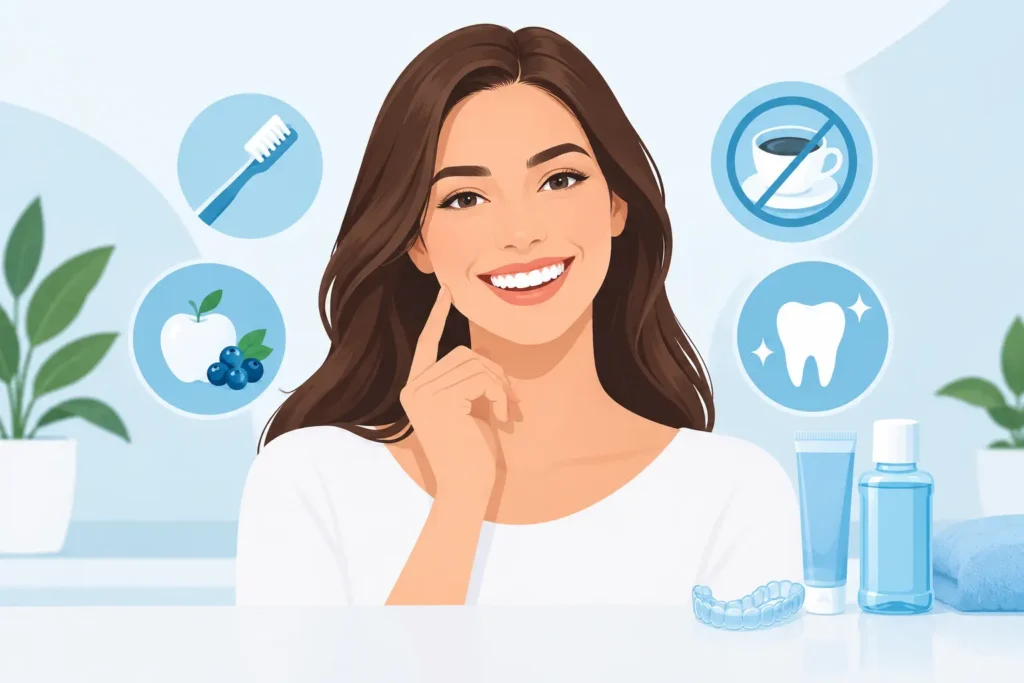
Think of the first two days as a chance to give your newly brightened smile a little breathing space. Avoid deeply coloured foods and drinks where practical, particularly if you have had an in-chair whitening treatment or are using take-home trays. Coffee, black tea, red wine, cola, dark berries, tomato-based sauces, soy sauce, balsamic vinegar and turmeric-rich dishes are common culprits.
This is sometimes called the white diet, but it does not need to be joyless. Choose lighter, nourishing meals such as plain yoghurt, eggs, chicken, fish, tofu, cauliflower, rice, pasta with a pale sauce, banana, pear and peeled apple. Water is the kindest drink for your teeth during this time.
If a morning coffee is non-negotiable, it is worth considering whether you can delay it for a day or two. If you do have one after that initial window, drinking it in one sitting rather than slowly sipping it across hours can reduce prolonged contact with staining compounds. Rinse with plain water afterwards, rather than brushing immediately.
Smoking and vaping can also quickly dull a freshly whitened smile. Beyond surface staining, tobacco use can affect gum health and healing. If quitting has been on your mind, whitening can be a meaningful moment to make a change that supports both your smile and your wider wellbeing.
Manage sensitivity with a gentle approach
A little sensitivity after whitening is common, especially if you already experience sensitivity to cold drinks or have areas of exposed root surface. It often feels like a brief zing rather than a persistent toothache, and it should settle.
Use a soft toothbrush and light pressure. Brushing harder does not make teeth cleaner, but it can irritate gums and contribute to wear around the gumline. Choose a toothpaste recommended by your dentist for sensitive teeth. For patients who prefer a lower-tox approach, a hydroxyapatite toothpaste may be suitable as part of a personalised oral-care plan. Your dental practitioner can help you select an option that aligns with your preferences and clinical needs.
For the first day or two, avoid extremes of temperature if they trigger discomfort. Lukewarm water, room-temperature meals and a pause on icy drinks may feel more comfortable. If you are using take-home whitening trays and sensitivity becomes noticeable, do not simply push through. Your dentist may advise shorter wear times, a break between applications or a change to your schedule.
Pain that is severe, localised to one tooth, lingers well beyond the whitening period or comes with swelling is not something to self-manage as ordinary whitening sensitivity. Contact your dental team for advice. Whitening can sometimes bring an existing crack, cavity, leaking filling or gum issue to attention.
Keep your cleaning routine calm and consistent
Your daily habits are where whitening results are protected long after the first 48 hours. Brush twice daily with a soft brush, clean between your teeth once a day and maintain regular professional cleans. Plaque holds onto pigments, so a clean tooth surface is naturally better placed to stay bright.
There is a trade-off with highly abrasive whitening toothpastes. They can help lift some external stains, but frequent or forceful use may wear tooth surfaces over time, particularly if you brush with pressure. A whitening toothpaste is not a substitute for professional care, and it will not alter the deeper shade of the tooth in the same way that whitening treatment can.
Avoid brushing straight after acidic drinks or foods, such as citrus, sparkling drinks or wine. Acid temporarily softens the outer surface of the tooth. Rinsing with water and waiting around 30 minutes before brushing is a gentler choice.
Mouthwash is another area where personal preference matters. If you use one, ask your dentist which formula best fits your oral-health needs and your preferred approach to ingredients. Fresh breath matters, but a balanced daily routine should also support the comfort of your gums and the natural environment of your mouth.
Make stain-aware choices without giving up your life
A bright smile should support confidence, not make you fearful of enjoying dinner with friends. Once the initial aftercare window has passed, the goal is awareness rather than perfection.
Dark drinks and richly coloured foods do not need to disappear from your life. It can help to drink water alongside coffee or tea, rinse after a curry or red wine, and avoid holding coloured drinks in your mouth. Where appropriate, using a straw for cold drinks can limit contact with front teeth, although it is not suitable for hot beverages and should not replace good oral hygiene.
If you love espresso, tea or red wine, you may need periodic maintenance whitening. How often depends on your enamel, existing dental work, sensitivity levels, dietary habits and the type of whitening used. More treatment is not always better. Whitening should be planned carefully to preserve a natural-looking result and keep your teeth comfortable.
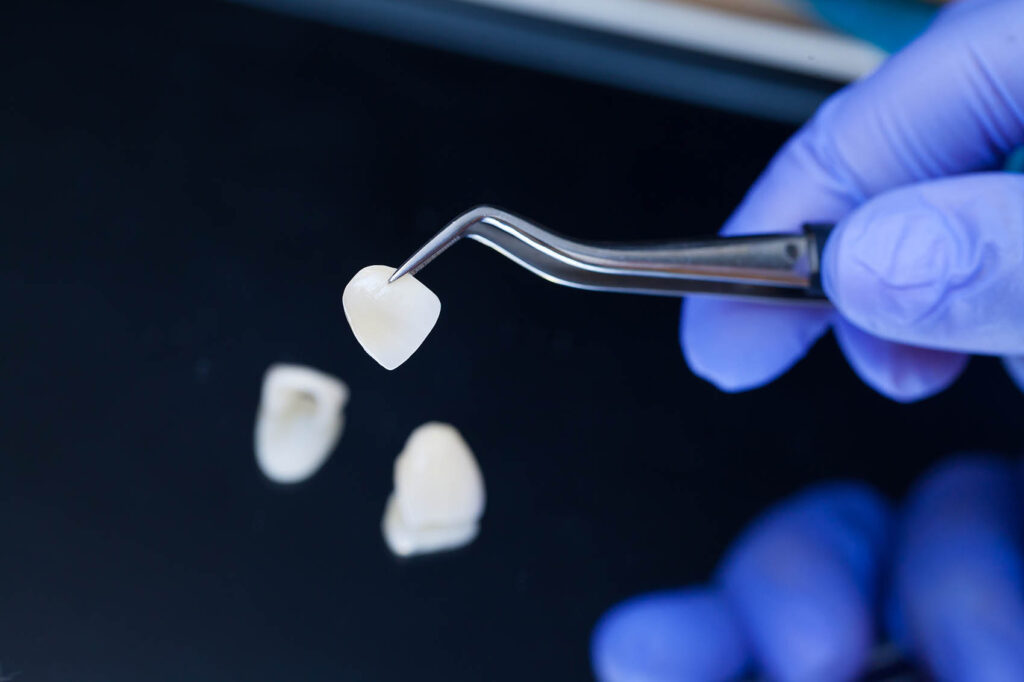
It is also helpful to remember that whitening only changes natural tooth structure. Crowns, veneers, fillings and bonding will not lighten in the same way. If you are considering cosmetic dentistry, whitening is often planned before new visible restorations so their shade can be matched to your preferred smile colour.
Follow your individual whitening plan
The safest aftercare is the advice tailored to your mouth. Before whitening, a comprehensive examination helps identify concerns such as decay, gum inflammation, recession, cracked teeth or older restorations. Addressing these first can make treatment more comfortable and predictable.
With take-home trays, use only the amount of gel prescribed. More gel will not deliver a better result, but it can irritate the gums if it overflows. Wipe away excess gel, clean the trays as instructed and store them safely in their case. Do not share trays or whitening products with anyone else, even if their teeth appear similar to yours.
Over-the-counter kits may seem convenient, yet they do not offer the same level of assessment, fit or supervision. Ill-fitting trays can allow gel onto the gums, while a one-size-fits-all routine may not suit someone with sensitivity, gum recession or dental restorations. Professional guidance creates space for informed choice, comfort and a result that looks naturally yours.
At Dental + Skin Clinic, whitening can be approached as part of a broader smile and wellness conversation. Your comfort, aesthetic goals and preferences around materials all deserve to be heard before a plan is created.
When to check in with your dentist
A whitening review is worthwhile if you are unsure whether your result has plateaued, your shade changes unevenly or you are considering a maintenance top-up. It is also the right time to discuss persistent sensitivity, gum irritation or a tooth that has become darker than the others.
Keep your aftercare simple: protect your teeth from intense staining in the first couple of days, stay consistent with gentle cleaning and let your own comfort guide the pace. A bright smile is most beautiful when it feels healthy, relaxed and completely at home on your face.